
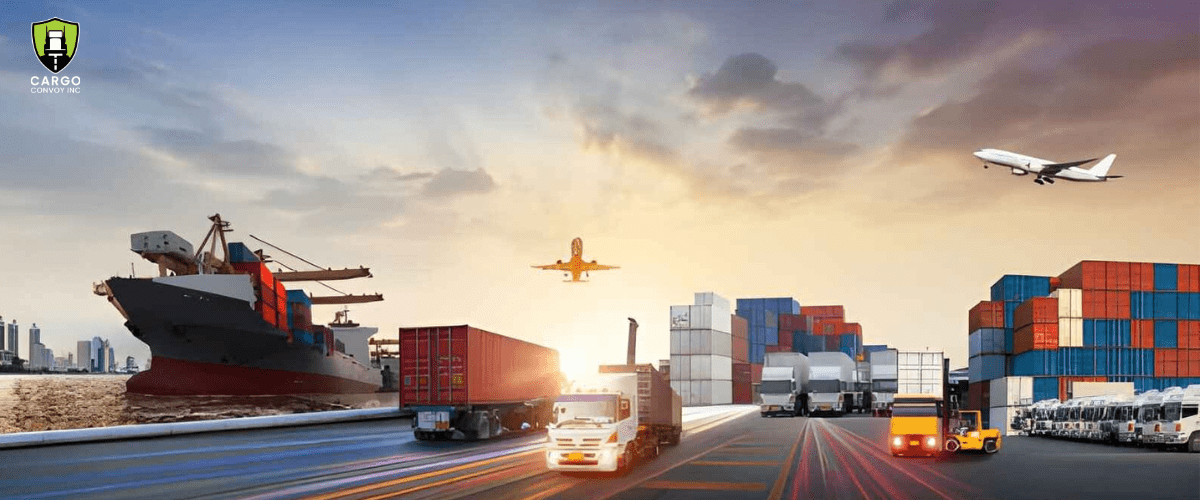
Logistics, especially freight transport and logistics, entails all activities related to the movement and storage of goods from the origin point to the destination. It includes every activity from the product holding to its actual delivery to consumers. Simply put, logistics ensures that the correct products arrive at their desired locations at the right times. Transport and freight are two important parts of logistics. Transport refers to how goods are moved, such as by road, rail, air, or sea. Freight refers to the goods that are being transported from one location to another.
Both transport and freight are important for businesses and deliveries. They help ensure products are delivered on time, reduce delays, and keep customers satisfied. Without proper transport and freight management, businesses may face late deliveries, higher costs, and unhappy customers.
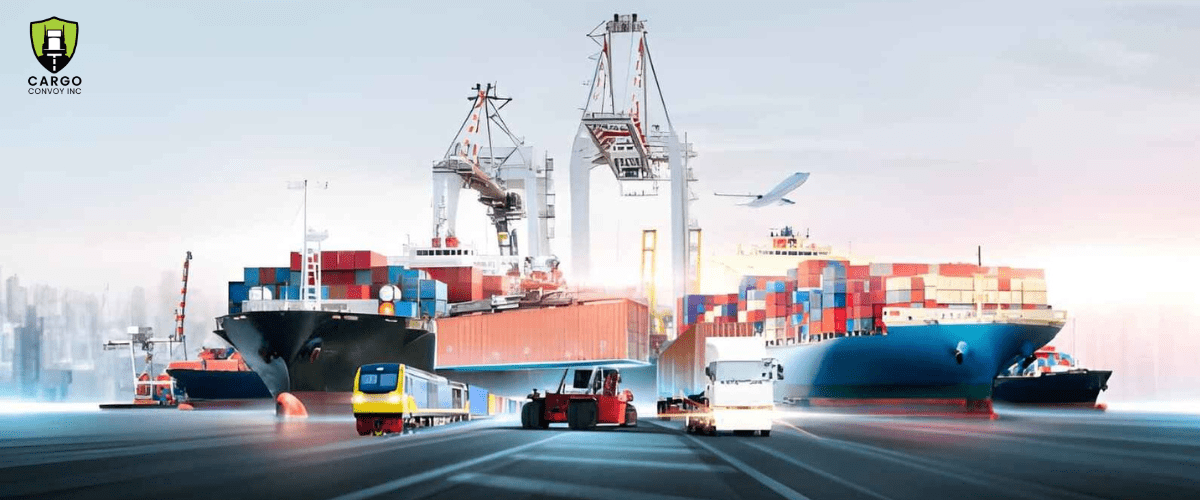
Transport and freight are two fundamental elements of logistics that form the foundation of freight transport and logistics and helps in transporting goods from one location to another. Transport can be defined as the movement of goods through various modes of transportation, including road transport, rail transport, water transport, and air transport. Freight includes the goods being transported.
When a business transports garments from a warehouse to a retail outlet, the garments become the freight, while the vehicle that transports the cargo becomes the transport.
The logistics and transportation process refers to the procedures involved in the management and coordination of the movement of goods from one place to another.
These include the planning of routes and the selection of the right transport mode. Effective management is vital because it not only guarantees timely delivery but also reduces the chances of delays.
There are various modes of transportation depending on factors like distance, cost, and urgency.
Land Freight and Road Transport refer to the movement of goods via trucks and other kinds of vehicles that run on roads. Land transport is commonly used when delivering goods within relatively shorter distances.
It is most suited for the transport of heavy cargo over huge distances of land. This is because it transports heavy cargo over huge distances.
The transport of goods by air entails the fastest way of moving goods from one destination to another. It is quite expensive compared to other means of transporting goods.
Sea freight is the most appropriate mode to transport goods internationally. It is cheap, but it takes a longer time to transport goods as compared to air transport.
Transportation and freight go hand in hand when it comes to ensuring that the movement of products is carried out seamlessly, right from the point of origin to the point of destination.
Goods are packed, marked, and arranged for dispatch. Packaging is essential in safeguarding products while in transit. During this process, products are inspected to ensure that they have the right quantities and appropriate documentation.
The appropriate transport mode depends on factors like distance, transit time, nature of the cargo, and budget. For instance, road transport is selected when the distance is short, whereas air or marine transport is preferred when the distance is long or the cargo needs to be transported internationally.
Once the products have been dispatched, their monitoring and tracking takes place. This process involves overcoming any form of delay that may arise and also ensuring that the routes are well-managed.
They arrive at the final destination safely and on schedule. In this stage, the delivery is verified, and the package is inspected to verify that all items have arrived safely.
Freight and transport are interdependent. Freight is the cargo that needs to be transported from one point to another, whereas transport is the method used for moving freight. Without proper handling of cargo, transportation will not be effective, and without transportation, cargo cannot be delivered to its destination. These two work hand-in-hand to ensure efficiency in cargo delivery.
Effective transport and logistics can assist companies to cut down costs, time wastage, and facilitate smooth transportation.
Make plans for your shipment through route organization, scheduling, and timing of the shipments. Proper planning avoids time wastage and cuts costs. Improving transport and freight efficiency helps businesses save time, reduce costs, and ensure smooth deliveries.
Plan your shipments in advance by organizing routes, schedules, and delivery timelines. Good planning helps avoid delays and reduces unnecessary costs.
Choose the most efficient mode of transport according to distance and nature of cargo. In this way, you will realize improved speed and efficiency.
With this tracking system, you will be able to track your shipment in real-time. This ensures that you are always updated on any delays and keep your customers informed.
By partnering with reliable logistics firms, you will ensure efficiency in service delivery and item delivery.
Transportation and freight work with each other and ensure that goods reach their destination without any hassles. While freight is the good being transported, transportation refers to the mode by which it reaches its destination. These two aspects vital in making deliveries successful. To make their businesses more efficient, companies can opt for logistics that fit the their requirements. However, partnering with reliable firms such as Cargo Convoy, ensures complete transportation solutions for their shipments.
10 April, 2026
07 April, 2026
03 April, 2026
30 March, 2026
27 March, 2026