
LTL vs FTL Shipping: A Complete Guide for US Businesses
Proper selection of the right transport allows organizations to reduce costs while preventing shipping problems. For instance, sometimes cargo requires shipment in a whole truck, while at other times, shipments can share trailer space. Having an understanding of FTL vs LTL freight transportation is important when choosing the best mode of transportation. Knowing the differences allows you to choose which one suits your load best. Both modes provide commercial freight services throughout the US.
This guide outlines how both techniques work and discusses the cost of each technique as well. The guide also assists companies in determining which method would suit their cargo.
What Is LTL Shipping?
In less than truckload (LTL) transportation, several smaller shipments of various companies are consolidated into one single truck. Payments are made based on the attributes of each company’s shipments rather than booking the whole trailer. Freight transportation using LTL freight systems usually involves multiple stops and sorting terminals. The carriers might switch from one truck to another before delivering the goods. LTL service is suitable for businesses that deliver their shipments in small quantities and ship frequently.
What Is FTL Shipping?
Full truckload (FTL) shipping gives one business exclusive use of a truck or trailer. The shipment does not need to fill the entire trailer.
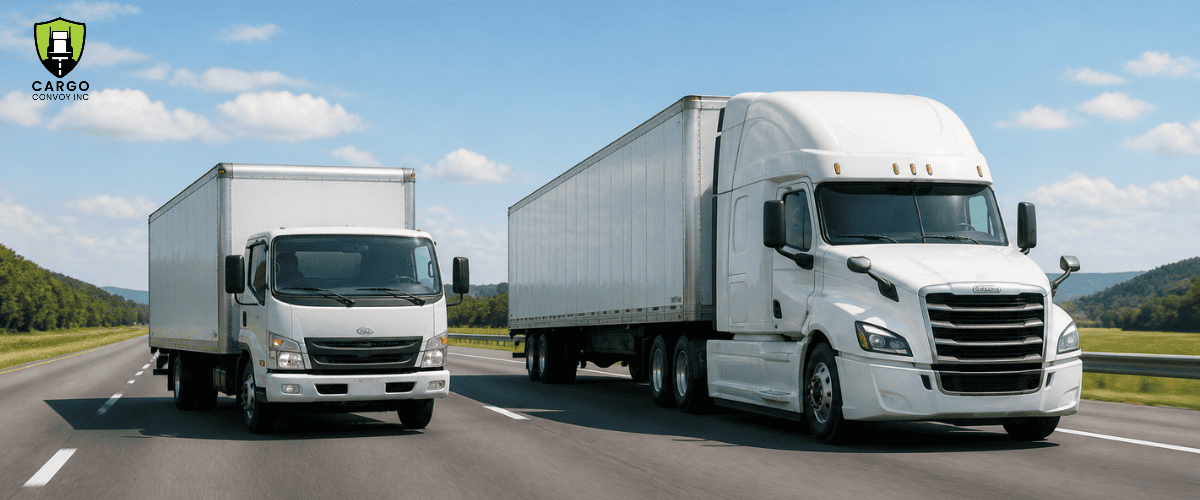
Here are some important advantages:
- Less number of loading/ unloading sites
- Greater control over the delivery process
- Lower chance of getting damaged due to multiple loading and unloading
- Perfectly suitable for large and fragile cargo
FTL transport is mostly preferred when moving large consignments from one plant to another by companies.
FTL vs LTL Shipping: Key Differences
Comparison between FTL vs LTL freight transportation is not only about the amount of cargo that is being transported. Cost and schedule considerations also matter.
| Factor | LTL Shipping | FTL Shipping |
|---|---|---|
| Trailer space | Shared with all shipments | Exclusive for one shipper |
| Shipment size | Smaller loads | Larger loads |
| Pricing | According to nature of cargo | According to truck load and distance |
| Transit time | Often longer than FTL | Usually more faster |
| Handling | Multiple possible transfers | Fewer handling stops |
| Delivery control | Lack of schedule flexibility | More control of the schedule |
| Best suited for | Small and regular cargo shipments | Large or critical cargo shipments |
For low quantities, LTL shipping offers a cost effective option. Whereas, FTL shipping involves fewer stops leading to offering a more direct route for shipping. Therefore, the right choice will depend on specific business needs.
How Much Does LTL vs FTL Shipping Cost?
While choosing between FTL vs LTL, the focus should be more on the total cost rather than just the quote price alone.
LTL Shipping Costing
Some of the considerations when determining the LTL freight rates include:
- Shipment weight
- Weight of the shipment
- Distance to travel
- Points for pickup and delivery
- Handling requirements
FTL Shipping Costs
FTL rates are determined based on the criteria below:
- Distance from pickup to destination
- Type of trailer or equipment used
- Truck capacity availability
- Fuel costs and market conditions
- Additional delivery requirements
Cost for FTL transportation can be high since it is dedicated capacity transportation, but high volumes can reduce the cost per unit, making it more affordable. Companies need to ask for quotes for both modes of transport when the volume of cargo falls between the two modes.
When Should Businesses Choose LTL Shipping?
Supply chain management becomes more flexible when businesses can ship small shipments without waiting for their trailers to be filled.
LTL shipments are most preferred when:
- When there are few pallets in the cargo.
- When there is flexibility in delivery dates.
- Products can handle additional transfers.
- The company ships smaller quantities frequently
This allows orders to move without accumulating enough inventory for an entire truck.
When Is FTL Shipping the Better Choice?
Comparison of FTL vs LTL freight favors FTL when companies want better control over shipping and handling.
FT is the best choice when:
- The goods occupy most of the volume of the truck.
- They are either sensitive or costly.
- The delivery time frame is tight.
- Goods need to be loaded differently.
- Extra handling might result in damage.
How to Choose Between LTL and FTL Shipping
Good Freight logistics planning begins with knowing what you’re shipping, not with finding the cheapest quoted rate.
Businesses should evaluate five factors:
- Check shipment weight and pallet count.
- Confirm the shipment weight, including packaging.
- Comparison should be made between different transit periods and delivery schedules.
- The risk of damage through multiple handling needs to be considered.
- Transportation cost and extra charges should be known.
How to Prepare an Accurate Shipping Quote
Supply chain management is also highly dependent on the accuracy of shipment information for carriers. Therefore, before making a quote request, you will need to have the following ready:
- Pickup & delivery zip codes
- Number of pallets
- Total weight of shipment
- Pallet dimensions
- Shipment type
- Pickup & delivery dates
- Additional equipment needed
Having accurate details can allow businesses to get reliable quotes and prevent billing changes.
Conclusion
Choosing FTL vs LTL freight service depends on the nature and volume of the load that is being transported. When loads are small, one can opt for LTL because small shipments can share trailer space. On the other hand, FTL is better when companies require exclusive capacity. Cargo Convoy assists US organizations in meeting their transportation needs with its over the road transportation services. It provides both LTL and FTL services to meet different cargo needs.
Frequently Asked Questions
1. How Many Pallets Should I Ship Using LTL?
LTL is usually quite suitable for freight that contains a small number of pallets. Companies that send out about 10 or more pallets should ask for both LTL and FTL quotes. The choice will also depend on the weight and available trailer space.
2. Can I Book FTL Shipping Without Filling the Truck?
Absolutely. Through full truckload freight, companies can utilize a complete truck even if the company’s shipment does not fill the entire truck. This kind of shipment is beneficial for companies that handle fragile products.
3. How Do I Know If My Shipment Needs LTL or FTL Shipping?
The right choice will depend on the weight and the size of the shipment. Comparing time to transport and the cost is also useful in making an informed decision. For example, for smaller shipments, LTL is better, whereas FTL suits better for larger or fragile shipments.
4. Can I Ship Just One Pallet Using LTL Freight?
Yes! The LTL service can be used to ship a single pallet. This is better, as the shipment will share space with other cargo. This helps you save costs, as you won’t have to pay for the entire truck.

RECENT POST
-

LTL vs FTL Shipping: A Comp...
04 November, 2026
-

Freight Audit and Payment: ...
27 October, 2026
-

How Carrier Relationship Ma...
19 October, 2026
-

Why Businesses Choose Profe...
13 October, 2026
-

AI Automation for Freight B...
05 October, 2026