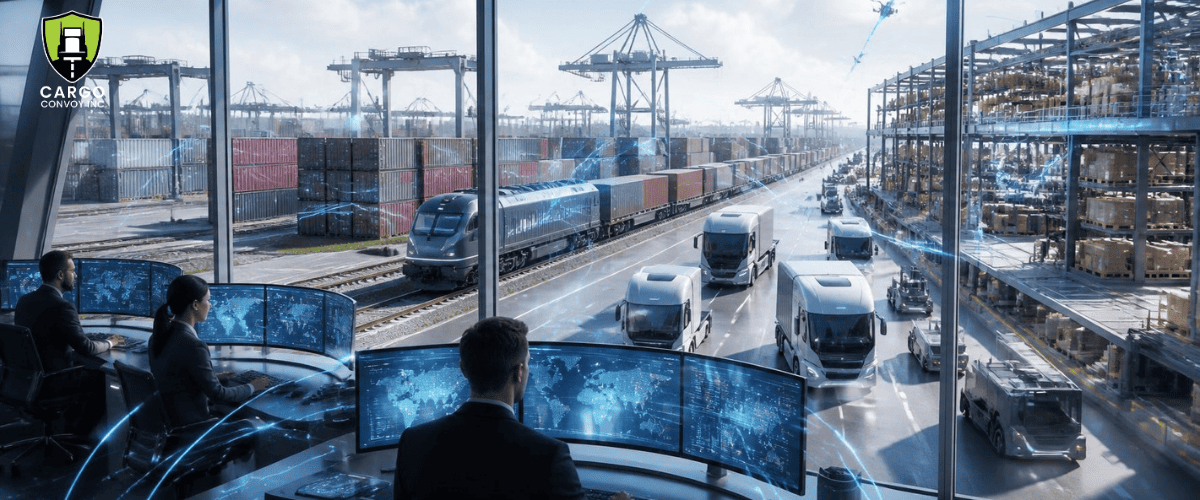
AI Automation for Freight Brokers: How AI Is Transforming Freight Brokerage
Freight brokering requires quick decision making. Load information has to be analyzed by brokers. Appropriate carriers have to be selected. They also need to compare prices and track cargo. AI automation for freight brokers uses artificial intelligence to perform all these functions with reduced effort. It makes things easier for freight teams to act. It also enables freight teams to handle more loads without the same amount of manual effort involved.
What Is AI Automation for Freight Brokers?
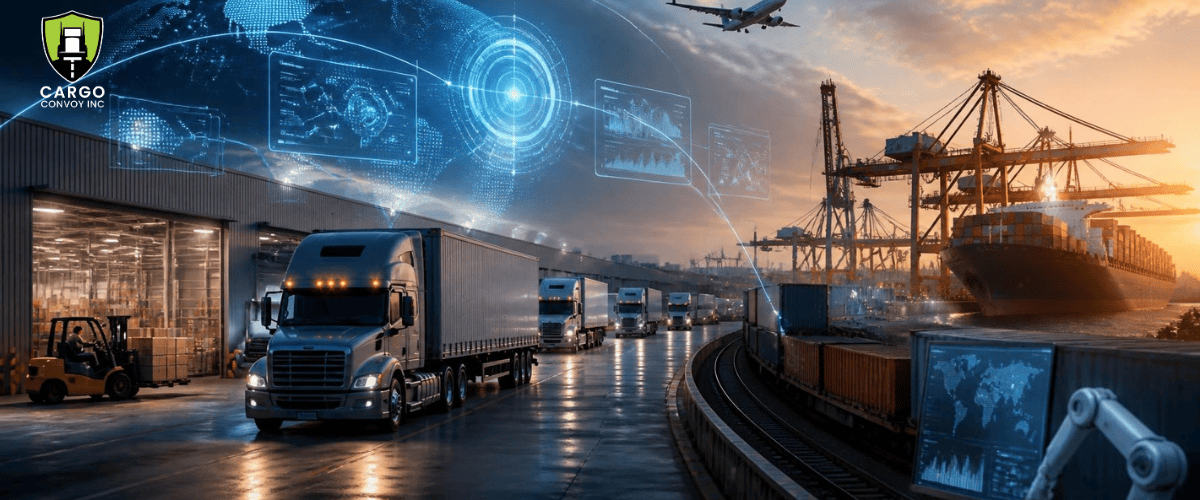
AI automation for freight brokers means using smart software for handling repetitive brokerage activities. The AI software can be integrated with transportation management systems (TMSs). It can also be integrated with load boards and carrier database management systems. The software would be capable of:
- Reading shipping requests
- Finding out about pickup and drop-off locations
- Comparing carrier options
- Identifying appropriate rates
- Monitoring the status of shipments
- Identifying any potential delays
- Creating communications for shippers and carriers
The broker continues to be part of major decisions. The AI takes care of the laborious tasks that cause delays in the process.
Why Traditional Freight Brokerage Workflows Need an Upgrade
Many brokerages still depend on email threads and spreadsheets. Teams may enter the same information into different systems. It creates room for mistakes. An example of activities that can take up the broker’s time is:
- Copying load information
- Finding carrier availability
- Sending calls
- Checking documentation
- Checking shipments
- Answering repeated questions
They all impact the reaction time. They also reduce the time available for shipper relationships and complex negotiations.
How AI Is Transforming Freight Brokerage
Faster Load Intake and Quoting
AI freight brokerage systems can read emails and digital forms. They can identify the origin and destination. They can also extract equipment needs and delivery deadlines. This system can then prepare the load for inspection. This involves comparisons of past lane rates and present capacity information. These help brokers to give quick quotes. Getting a quick quote increases the chances of winning the load. It also gives shippers better information when making time sensitive decisions.
Smarter Carrier Matching
AI for freight brokers can access more data points than the manual process of searching. The software can compare the carrier location and equipment used. The software can also check the service record and the insurance status. Some things that can be taken into consideration for matching are:
- Past performance on the lane
- Past on-time deliveries
- Availability of equipment
- Expected rates
- Compliance history
- Distance from pick up location
The broker can check the recommendation before offering the load. This allows human judgment to enter the process.
Improved Routing and Capacity Management
Freight brokers using AI for routing can make comparisons between routes. This includes comparing distances and traffic, as well as delivery windows and carrier capacity. AI can help identify:
- More practical carrier assignments
- Better backhaul opportunities
- Routes with lower delay risk
- Potential empty miles
- Capacity gaps on important lanes
The system does not replace the carrier or driver. It gives the broker better information for planning and coordination.
Less Manual Document Work
Freight broker automation can minimize document work that is repetitive in nature. The optical character reader reads the content from rate confirmations and bills of lading. The software then detects information that is missing from documents and matches the documents to load tickets and routes documents to the appropriate team member. This helps to reduce the problem of double data entry. It also creates a clear record of the shipment.
Improved Cross-Border and Multimodal Collaboration
AI in freight forwarding could simplify logistics operations where more than one mode of transportation is used. The technology could manage data from road freight and railway transportation. Also, artificial intelligence could handle processes related to maritime and air transport.
The AI can help the teams analyze:
- Customs documentation
- Shipment events
- Notifications from ports/terminals
- Transit time fluctuations
- Carrier handovers
- Possible compliance problems
This would provide insight into shipments that undergo multiple processes.
Faster Tracking and Exception Response
AI can monitor shipment data throughout the freight lifecycle. It can identify a missed check call. It can detect an unusual delay. It can flag a deviation in the travel path or a failure to keep a meeting. The system can then do the following:
- Alert the broker
- Create a message for the carrier
- Update the shipment file
- Alert the shipper
- Suggest the next course of action
What Business Benefits Can Freight Brokers Expect?
More freight brokers are using AI for routing when they need better control over capacity and delivery schedules. The value of AI can appear across the full shipment lifecycle. Benefits may include:
- Quote response times
- Reduced data entry
- Optimized carrier choice
- Faster identification of delays
- Shipment visibility
- Document accuracy
- Efficient use of employee time
- Margin management
Results will be influenced by data quality and process flow. Data gaps or system silos cannot be solved by AI alone.
What Should Buyers Check Before Choosing an AI Solution?
The best AI for freight brokers must fit the existing operation. A system may look impressive in a demo. It still needs to work with the tools that the brokerage already uses. Buyers need to look at:
- Connections to TMS and load board services
- Connections to carriers’ databases
- Human intervention settings
- Logs for actions performed by the AI
- Security protocols
- Compliance of carriers
- Custom workflows
- Performance metrics
- Ownership of data
The system should also explain why it made a recommendation. Clear reasoning helps brokers review decisions and build trust with the technology.
Conclusion
AI can impact freight brokerage by enhancing speed and transparency. AI can be used to help with quoting and carrier selection. Additionally, AI can assist with routing and documentation. AI automation of freight brokers may assist in managing additional tasks while maintaining good control over them. The best outcomes will be achieved by implementing correct data alongside human management.
Cargo Convoy offers OTR transportation to companies in order to manage freight. It also offers intermodal and drayage transportation. Companies requiring reliable freight support may contact Cargo Convoy to discuss their transportation needs.
Frequently Asked Questions
What does an AI freight brokerage platform do?
An AI freight brokerage software assists in handling load entry and quoting. It is capable of matching loads to carriers. It can monitor loads for issues that require intervention by the broker.
How is AI in freight forwarding useful for buyers?
AI in freight forwarding is helpful for buyers when dealing with complicated deliveries. The system helps to organize paperwork and monitor various stages. It is useful in improving communication between carriers and modes of transport.
Can AI for freight brokers replace human brokers?
No. Artificial intelligence can cope with repetitive tasks. However, brokers deal with negotiations and relationships. Moreover, brokers make decisions when the shipment has some peculiarities.
Are freight brokers using AI for routing safely?
Yes. If freight brokers use AI to find the best route, then they can check whether the recommendation is right before accepting it. This process needs up-to-date information and proper business guidelines. A human team member should remain responsible for final decisions.
Does freight broker automation require a new TMS?
Not always. Many systems can connect with an existing TMS and other freight tools. Buyers should confirm integration support before selecting a platform. Research direction used: current freight technology providers focus on quoting and booking.

RECENT POST
-

How Carrier Relationship Ma...
19 October, 2026
-

Why Businesses Choose Profe...
13 October, 2026
-
AI Automation for Freight B...
05 October, 2026
-

How Supply Chain Agility He...
25 September, 2026
-

Agricultural Logistics Guid...
18 September, 2026