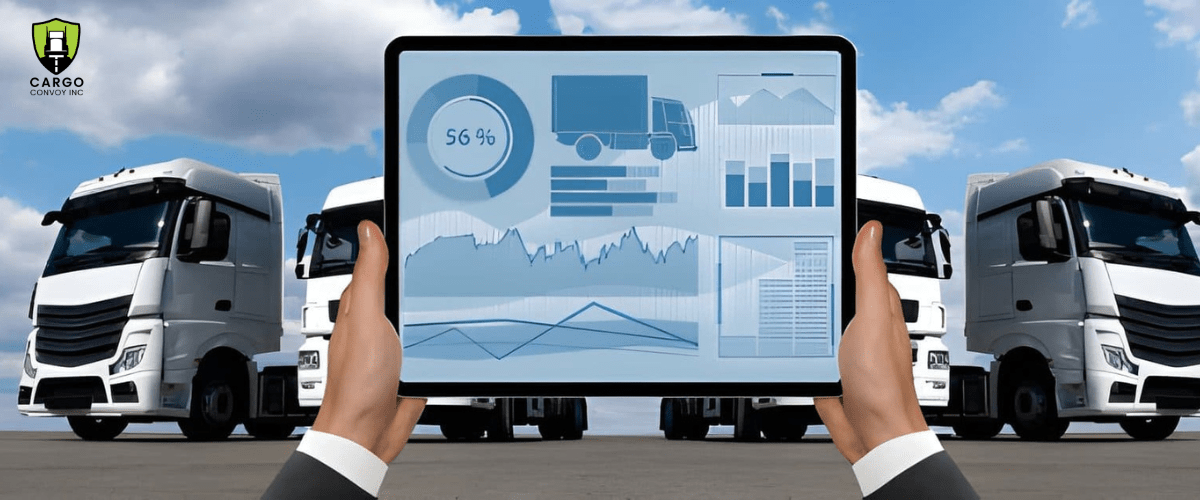
How Smart Packaging Reduces Logistics Costs
Smart packaging allows companies to cut down on the invisible cost of delivery. They not only ensure the safety of goods but also provide efficient logistics control. It also allows better management of the transportation process. The packaging impact on logistics becomes more apparent when businesses track damage, returns, delays, and wasted freight space. A better package can lower costs at every stage of delivery.
Why Smart Packaging Matters
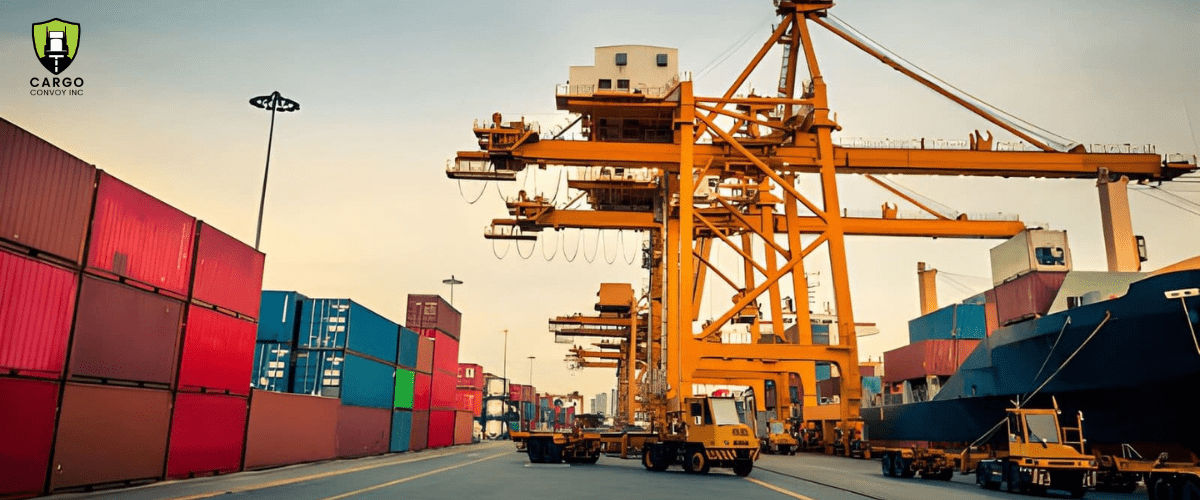
Smart packaging is not only about wrapping a product. It ensures the complete logistics process. The package not only needs to provide safety for the product but also make its way easily through the warehouses. Furthermore, the package should be easily accommodated by trucks and shelves. The role of packaging in logistics starts before shipping begins. It affects how teams store, pick, load, track, and deliver each order. Poor packaging creates extra work, while good packaging removes many small problems before they grow.
How Packaging Affects Cost
Many logistics costs stay hidden. A business may pay more for freight because the boxes are too large. The business could also incur losses from damaged items and increased times for sorting and returns. And here is where the packaging impact on logistics comes into play and plays a major part. Good packaging helps minimize wastage and increases mobility. It helps teams ship more products with fewer mistakes.
Lower Product Damage
Product damage can hurt profit fast. This causes refunds, re-ordering, and customer care operations. It may also cause loss of consumer trust in the brand. A smart packaging technique is designed to suit the size and strength of the product. It can help in protecting products from shock, temperature changes, cold, and moisture. The role of packaging in logistics becomes more valuable when products are fragile, expensive, or sensitive.
Fewer Returns and Complaints
Returns add extra cost to every business. They require pickup, checking restocking, and sometimes disposal. Smart packaging helps reduce these problems. The packaging impact on logistics is easy to see when return rates drop. However, improved packaging protects the products when they are being moved while clear labeling guides handlers and prevents errors or wrong handling.
Better Use of Storage Space
Waste of space in the packaging process results in extra cost in the warehouse. Larger packages occupy more shelf space and also make the packing slower. Good packaging promotes effective use of shelf space in the warehouse. Shelf space is effectively utilized, and order processing speeds up.
Lower Freight Charges
Freight cost often depends on size and weight. A small reduction in box size can save money across thousands of orders. It could also be useful for increasing the number of goods that can be carried by a single vehicle. That highlights how packaging impact on logistics in practical situations. Lighter and smaller packages decrease the load stress. They also reduce fuel consumption and delivery expenses.
Faster Warehouse Handling
Packages should be designed in such a way that makes it easy for scanning, lifting, sorting, and stacking. Standardized size and labeling will contribute to saving time that would otherwise be spent on manual checking. The role of packaging in logistics increases as the number of daily orders processed by a warehouse grows. Good labeling, bar codes, and strong sealing systems can speed up the delivery process.
Clearer Shipment Tracking
Smart packages may have some relevant information about the shipments. They utilize code tags and sensors for identifying the location and condition of shipment. This is critical for rapid response when there are delays or risk related to a shipment.
Data in supply chain management is essential for proper packaging. This helps determine what happens at storage, transportation, and delivery. This improves the packaging impact on logistic process as teams can utilize real time information to make decisions.
Better Control Across Partners
Most of the supply chains involve suppliers, warehouses, carriers, and delivery personnel. All these partners require information about the product. Smart packaging ensures that all partners understand how to deal with the products.
The role of packaging in logistics is improved when there is standardization for handling and all partners use the same handling rules. This reduces errors across the full journey.
Less Material Waste
Waste adds cost to packaging and delivery. Too much filler increases material spend. Weak materials increase damage. Oversized boxes increase freight cost. Smart packaging utilizes the right amount of material. They also provide adequate protection of the product without wastage. Packaging in supply chain management becomes effective when everyone in the team uses data for the selection of box sizes and materials used.
Stronger Sustainability Goals
A lot of consumers have become aware of responsible packaging. At the same time, firms are trying to eliminate waste production and minimize environmental impacts of delivery. Proper packaging addresses both challenges.
Materials that are reusable and recyclable can minimize the expenses related to waste disposal. Logistics packaging solutions allow saving the material resources while maintaining product security. This also improves the packaging impact on logistics through better load control and fewer returns.
Better Customer Experience
A safe delivery creates trust. A clean package also improves the first product experience. Customers notice when the order arrives in good condition and opens easily.
Packaging in supply chain management also affects service quality. A package can include return details, product care notes, and tracking support. The role of packaging in logistics connects directly with customer satisfaction and repeat orders.
Easier E-commerce Growth
E-commerce brands often deal with high order volume. They are required to have quick packaging services, secure deliveries, and low returns in order to succeed. Logistics packaging solutions can be utilized for the creation of customized boxes, advanced labels, and durable materials. This allows the brands to increase the number of orders sent while reducing the effort involved in manual operations.
Simple Steps to Start
The process can begin with conducting a packaging audit. The team can look at damage reports, reasons for returns, costs of transport, and any delays within the warehouse. This enables them to find where costs originate.
For the improvement of packaging in supply chain management, the organization should first try different packaging forms. Then comparisons can be made on the sizes of the boxes, the material used, labels used, and outcomes after handling. This simple process helps leaders make better choices.
Choosing the Right Packaging Solution
However, the choice will depend upon product, distance of delivery, and storage requirements. Fragile products may need stronger inserts for their protection. A food product may need temperature control. A high-value product may need tamper alerts.
Logistics packaging solutions should match real business problems. They should not add cost without a clear reason. The packaging impact on logistics improves most when smart packaging solves damage, space, speed, or tracking issues.
Conclusion
Smart packaging reduces logistics costs in many practical ways. It ensures that products are protected from any kind of damage and there are fewer returns. They also ensure less waste generation, save storage space, and make teams work fast through packaging and delivery. Companies that invest in packaging make a more efficient supply chain.
At Cargo Convoy, we know the value of having proper packaging for creating an efficient supply chain process. Therefore, we help companies with effective packaging that helps them create an efficient logistics operation and business efficiency.

RECENT POST
-

How Carrier Relationship Ma...
19 October, 2026
-

Why Businesses Choose Profe...
13 October, 2026
-

AI Automation for Freight B...
05 October, 2026
-

How Supply Chain Agility He...
25 September, 2026
-

Agricultural Logistics Guid...
18 September, 2026