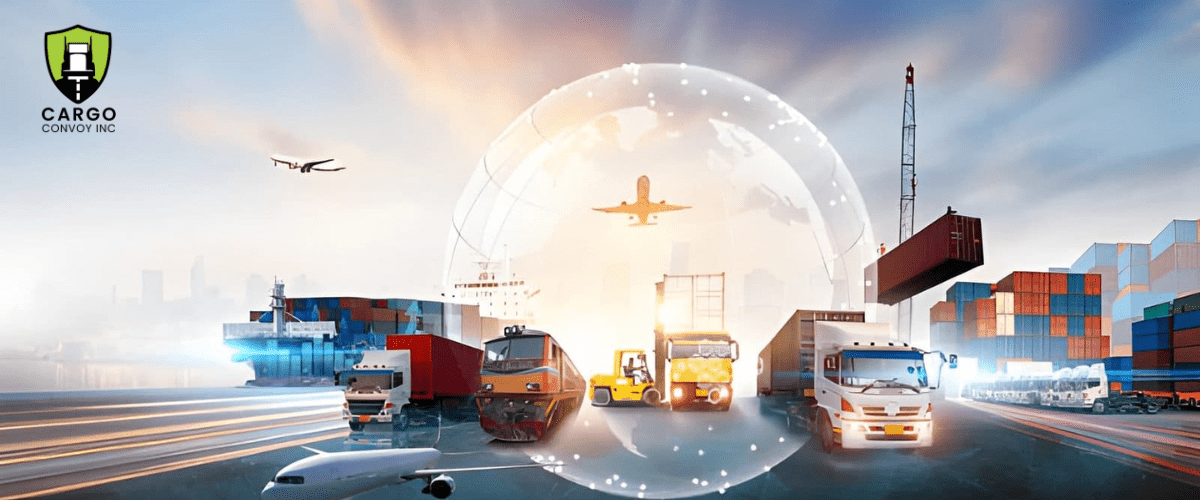
Transportation Logistics Supply Chain Industry Challenges 2026
The logistics and supply chain industry is witnessing exponential growth as we head into the year 2026.The challenges of growing demands, increased connectivity, and advances in technology force companies to cope with higher levels of complexity but at the same time deliver more quickly. On the other hand, there have been numerous disruptions such as delays, an increase in prices, and labor shortages which make business operations even more difficult. It is necessary to adapt to these challenges.
In our blog, we will highlight some of the most important supply chain challenges. We will talk about the major supply chain issues 2026 that businesses need to prepare for. We will also cover how to mitigate supply chain risk.
Major Supply Chain Challenges in 2026
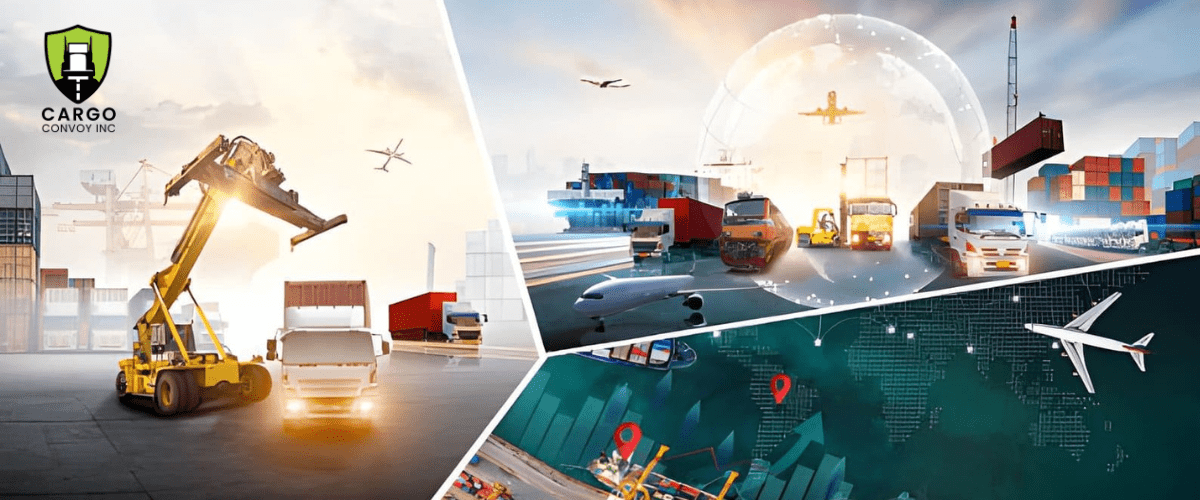
Rising Transportation Costs
Among the major supply chain challenges that will be experienced in 2026 is the constant increase in the cost of transportation. The increase in expenses associated with fuel, shipping, and other operations has made it difficult for businesses to keep logistics expenses under control.
Shortage of Labor and Skills Gap
The problem of having skilled personnel on board is yet another challenge. It is difficult for many companies to find experienced drivers, warehouse staff, and logistics professionals.
Infrastructure Limitations
Lack of infrastructure is also one of the challenges in efficient supply chain management. Bad roads, busy ports, and a lack of storage spaces could contribute to delays and extended travel time.
Demand Unpredictability
The unpredictability of consumer demand has also made supply chain management difficult. Sudden shifts in consumer demand may result in overstocking or understocking, which in turn affects organizational productivity.
Regulatory and Compliance Challenges
Government policies, rules, and regulations relating to trade and compliance are becoming increasingly complex. This makes it necessary for organizations to keep track of these changes.
Lack of RealTime Visibility
Very few firms are investing in tracking devices at this point in time. In case there is no real time tracking, one cannot possibly know whether the package has been delivered or not.
Sustainability and Environmental Pressure
It is now necessary for organizations to focus on adopting environmentally friendly practices. The reduction of carbon emissions, as well as the use of sustainable modes of transportation, has become a significant supply chain challenge.
Transportation & Logistics-Specific Challenges
Last-Mile Delivery Inefficiencies
Last mile distribution continues to be among the most challenging aspects of 3pl logistics management. Problems such as traffic jams, inaccurate addresses, and unsuccessful delivery attempts can lead to increased costs and delays in deliveries.
Fuel Price Volatility
Fuel prices keep affecting transport expenses. Any abrupt rise in the price of fuels may affect budgeting plans and reduce the margin of profits, leading to difficulties in stabilizing prices.
Regulatory and Compliance Adjustments
The changing transportation policy, taxes, and safety regulations make logistics difficult. Companies must always be current to avoid penalties and enable the transport of goods.
Delay Caused by Geopolitical Problems
When there is a need for international transport across international borders, there might be a delay if there are geopolitical problems. This may lead to delays and increased costs for the delivery services.
Environmental and Sustainability Pressures
Companies today are being forced to minimize their effect on the environment. Using green forms of transport and minimizing carbon footprints is increasingly turning into an essential logistical concern.
Supply Chain Collaboration Challenges
Lack of Real-Time Information Sharing
Another important challenge faced in supply chain collaboration is the absence of real-time information exchange among the partners. The lack of real time data makes it hard to keep track of the shipments and deal with any disruptions.
Poor Communication Between Stakeholders
The lack of effective communication among suppliers, producers, and logistics companies can cause problems such as delay and misinterpretation. Good communication is very important for coordination purposes.
Technology Integration Issues
Most businesses employ various methods and channels that are not necessarily compatible with each other. It leads to problems like data silos and inefficient operations, which lower the chances of collaboration.
Trust and Transparency Gaps
The lack of mutual trust and transparency between partners can influence the decision making process. If there is not enough transparency in organizations, it will become harder to develop relationships.These supply chain collaboration challenges bring out the need for improved communication, technology, and transparency in supply chains.
How To Mitigate Supply Chain Risk
Supplier Diversification and Sourcing
One of the best ways to overcome disruption problems involves avoiding single-sourcing arrangements. Organizations need to have several sources within various locations that will minimize reliance on any one of the suppliers.
Technology Investment for Digital Solutions and Automation
Using technologies such as automation, tracking technologies, and analysis of information, the effectiveness and visibility can be increased. It provides an opportunity to solve such issues instantly by identifying them quickly.
Resilience in Logistics Chains
Developing resilient logistics chains becomes necessary. Such logistics chains should be flexible and robust. It should have other modes of transport and logistics plans ready for use when required.
Improving Demand Forecasting
Better forecasting will allow companies to plan ahead and ensure that there are no shortages or excesses in inventory. Utilizing information can help increase the accuracy of forecasts.
Strengthening Partnerships
Having good connections with our suppliers, logistics partners, and other stakeholders can contribute to better cooperation. This way, we will be able to make decisions faster during difficult moments.These strategies clearly show how to mitigate supply chain risk and build a more stable and efficient supply chain for the future.
Role of Technology in Solving Supply Chain Issues 2026
AI and Predictive Analytics
AI and predictive analytics have proven invaluable to organizations for better decision-making. By analyzing historical data, AI technology can help predict demand and minimize risks, among others.
Blockchain for Transparency
The use of blockchain helps increase transparency since transactions become recorded in an immutable manner in one database. This ensures everyone has access to the correct information, which helps reduce cases of errors and fraud.
IoT for Real-Time Tracking
The IoT technology helps in real-time monitoring of products via sensors and connected devices. Companies can monitor their shipments and locations and react instantly in case of any interruptions.
Automation in Warehousing and Transport
Technology is playing an important role in making improvements in warehouses and transport. For instance, automation helps in reducing the need for manual labor as well as increasing speed and accuracy.In general, technology can play a very important role in helping address supply chain issues 2026.
Conclusion
However, in 2026, corporations have to deal with several supply chain challenges, such as increased costs and uncertain demand. It is critical to take an advanced approach and implement technologies for maintaining effectiveness. Thanks to collaboration and innovation, organizations can handle the challenges posed by supply chain issues 2026. Through collaboration with partners such as Cargo Convoy, it can become easier for businesses to establish a much more robust and dependable supply chain.
RECENT POST
-

Why Businesses Choose Profe...
13 October, 2026
-
AI Automation for Freight B...
05 October, 2026
-

How Supply Chain Agility He...
25 September, 2026
-

Agricultural Logistics Guid...
18 September, 2026
-
How Multimodal Freight Netw...
14 September, 2026