Why Digital Transformation of Supply Chain is Important
The modern business landscape is presenting companies with new expectations. Now it’s important to have fast and efficient supply chain management if businesses want to stay competitive. Traditional supply chain management systems can no longer handle these expectations. This is where supply chain transformation comes into the picture. This has become one of the keys to business success.
Implementing advanced technology into their process not only allows businesses to manage their products better but also streamlines their operations. This process is referred to as supply chain digital transformation. This allows firms to remain competitive and responsive regardless of changing business needs. Today, through this blog, we will understand why it has become crucial for businesses to incorporate digital transformation.
What is Digital Transformation in Supply Chain?
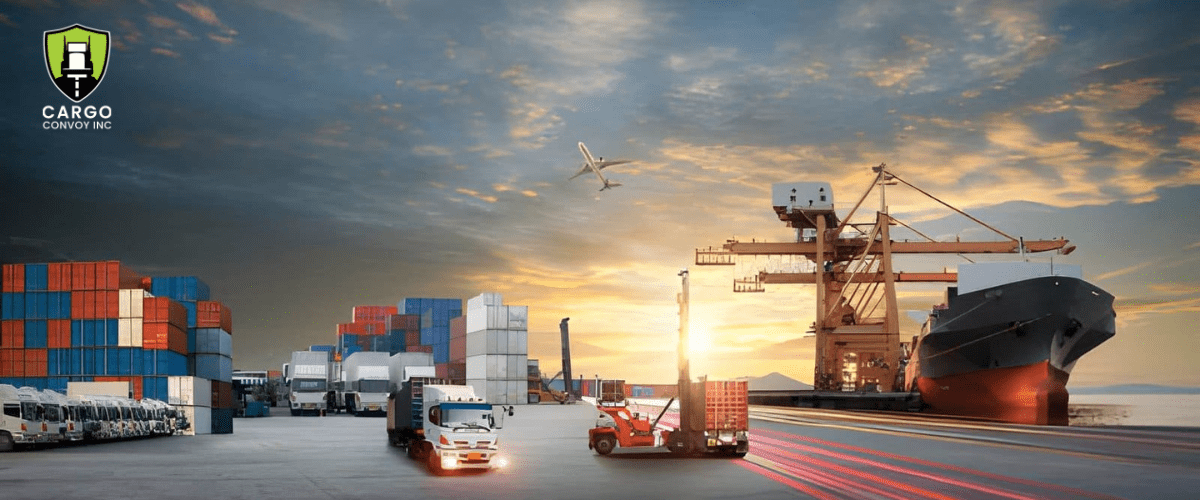
Digital supply chain transformation involves using modern technology, such as automation or cloud computing, to enhance overall supply chain processes. The manual and out-of-date methods employed are replaced by faster, smarter, and more efficient digital means.
Rather than making assumptions about these situations, companies can rely on live data and information to help them make their predictions and decisions. This ensures accuracy and helps increase efficiency, while also improving coordination and communication.
Why Supply Chain Transformation is Important
1. Improved Visibility
A major benefit of transforming the supply chain is greater visibility. It becomes possible for companies to monitor products during all phases of production and delivery.
In real time, tracking can help a company detect problems, check on the amount of stock, and improve its management processes. It can also assist in coordinating between various departments to avoid any misunderstandings.
2. Better Decision-Making
By transforming the supply chain digitally, organizations are able to gather huge quantities of data. Such an ability helps organizations track trends, anticipate demand, and manage their inventories effectively.
Decisions made through data are not likely to cause overproduction or underproduction of goods. With this, companies are able to respond quickly to market changes and can make smarter decisions.
3. Cost Reduction
The conventional supply chain incorporate manually performed tasks, which are more likely to lead to mistakes and higher costs as a result. In the digitized supply chain, automation of tasks can be achieved.
Saving on costs is possible with optimized transportation, proper inventory management, and eliminating delays. Over time, these improvements can result in significant cost savings.
4. Faster Delivery
Speed plays an important role in customer satisfaction. With the supply chain revolution, businesses will be able to enhance their speed through intelligent techniques such as route optimization and automation.
On-time delivery and quality products will help build trust and loyalty from clients. However, providing customers with better experiences guarantees that they will come back for their future needs.
5. Enhanced Customer Satisfaction
Having an efficient supply chain directly impacts customer satisfaction. Supply chain digital transformation can help companies give customers timely delivery updates and handle returns better.
Delivery of orders in a timely manner not only enhances the customer’s trust but also builds loyalty. If customers receive a better experience, they are more likely to return for future purchases.
6. Increased Flexibility and Adaptability
The business environment is continually evolving. The reason? It’s simple, it’s because of changes in demand, trends, and other disruptions within the environment. The digital supply chain transformation enables organizations to adapt to such changes instantly.
Companies can change their production, monitor their stock, and divert their deliveries according to their current needs. This enables companies to be more adaptable and function seamlessly, regardless of any uncertainty prevailing around them.
7. Sustainability and Eco-Friendly Operations
Sustainability is yet another critical factor in supply chain transformation. Today, firms focus more on minimizing environmental impact while staying productive. Technological means ensure optimal transportation, fuel savings, and waste reduction.
Effective inventory control avoids unnecessary manufacturing and wastage of resources. Besides being environmentally friendly, such measures also enhance the company’s reputation and cut down expenses in the long run.
Key Technologies Driving Digital Transformation
Various technologies play a major role in facilitating supply chain digital transformation and making it more efficient, and some of these technologies are provided below:
1. Automation
Besides reducing the workload in the process, automation increases efficiency in carrying out the processes and saves time. Order management, stock management, and deliveries can easily be carried out through such applications. It also assists in minimizing mistakes made by humans and increases efficiency when dealing with high order volumes.
2. Cloud Computing
Cloud computing technology enables companies to access their data anytime from any location. It helps improve the collaboration among workers who may be located in distant locations. This also enables them to communicate always and hence coordinate effectively.
3. Data Analytics
With data analysis, businesses can identify trends and can predict customer demands. This improves the overall performance. Moreover, it also helps them make the right decisions based on data insights.
4. Artificial Intelligence
AI contributes to better decision-making through trend prediction, route optimization, and increased accuracy in processes. It enables companies to react to sudden changes more effectively, which significantly leads to better efficiency.
5. Internet of Things (IoT)
The IoT devices help in monitoring and tracking the products in real time. This way, organizations can not only increase their process efficiency but also minimize the risk of any delay and loss.
Challenges in Supply Chain Transformation
Although the advantages are huge, there are some challenges involved in supply chain transformation, which organizations have to handle in an appropriate manner. Supply chain transformation services are used by many organizations to cope with these challenges.
1. High Initial Investment
The introduction of a digital system involves financial commitment for technology, infrastructure, and staff development. Through good planning and supply chain transformation services, this will help reduce any cost implications.
2. Resistance to Change
Employees can hesitate to embrace innovations in technology. Appropriate training and direction will facilitate a smoother process.
3. Data Security Risks
The more the usage of technological means, the greater the risks involved in safeguarding data. There is a need for adequate security measures.
4. Integration Issues
The integration of new technology with the existing one can be quite complicated. This can be achieved more easily with professional assistance.
Conclusion
In simpler terms, the supply chain transformation allows firms to be efficient, cut down costs, and improve their client experiences. The digital supply chain transformation can no longer be considered an option, but rather a necessity in order to maintain competitive advantage. Solutions like Cargo Convoy further strengthen this shift by offering reliable and real time tracking services.
RECENT POST
-

Why Businesses Choose Profe...
13 October, 2026
-

AI Automation for Freight B...
05 October, 2026
-

How Supply Chain Agility He...
25 September, 2026
-

Agricultural Logistics Guid...
18 September, 2026
-

How Multimodal Freight Netw...
14 September, 2026