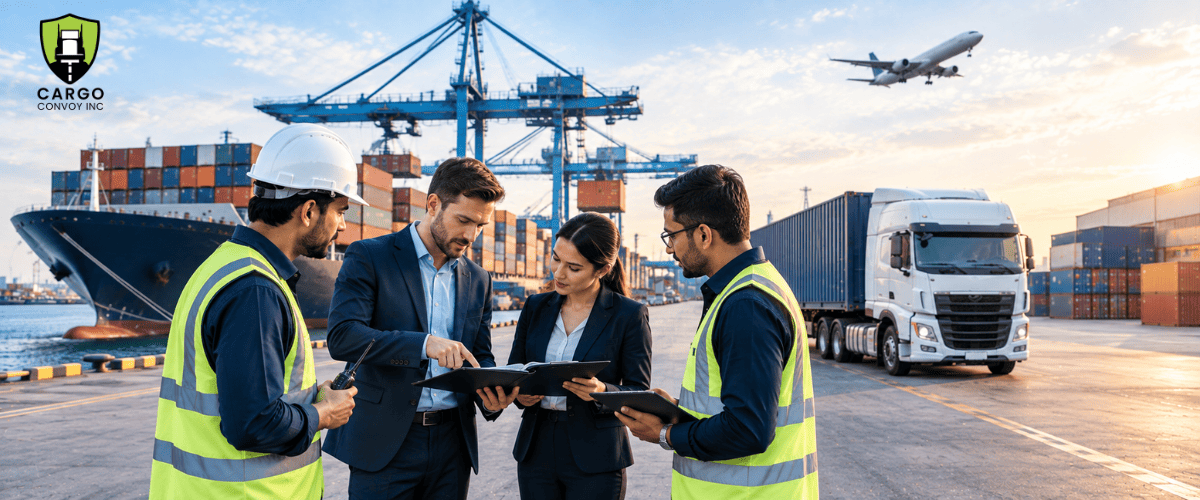
What Is a Freight Forwarder? A Complete Guide to Freight Forwarding Services
Moving goods from one country to another involves more than booking a truck or vessel. A shipment may pass through several carriers. These processes are managed by the freight forwarder on behalf of the shipper. The forwarder is responsible for transport and conducts various important activities. This company is not usually engaged in the transport of cargo. This guide discusses what a freight forwarder does. Additionally, it discusses the different freight forwarding services offered, the shipping process, and key factors when choosing a freight forwarding company.
What Is a Freight Forwarder?
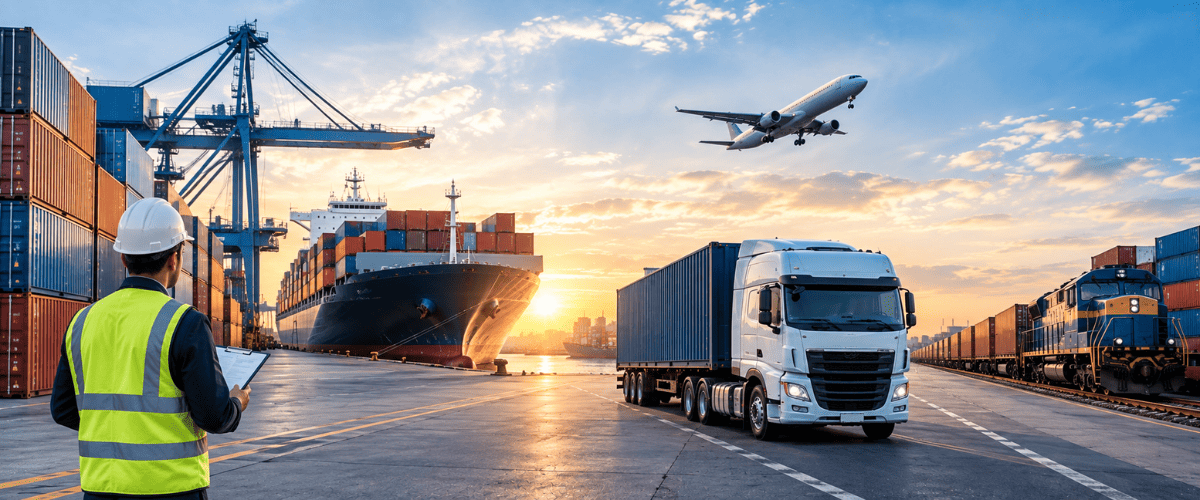
A freight forwarder is an organization that organize and coordinates the shipment of goods for the exporter or importer. The forwarder assesses the requirements of the shipment. The forwarder then organizes transport for the shipment as well as the movements involved in transporting the goods. A forwarder can work with an ocean carrier, airline, or trucking firm. Railroads, customs brokers, and other types of logistics firms might also be included. For a business shipping goods internationally, freight forwarding services can bring several separate cargo transportation activities under one coordinated process.
What Does a Freight Forwarder Do?
However, the role of a freight forwarder goes beyond that of cargo transportation. The exact scope depends upon the nature of the cargo and what is required by the customer.
- Selects appropriate carriers and makes bookings for cargo transportation as per its size, destination, and route.
- Arranges for the preparation of all necessary documentation concerning the cargo.
- Either organizes the customs clearance process or arranges it with licensed customs brokers.
- Organizes warehouse services, consolidates the cargo, etc.
- Information regarding the delivery is provided depending on the mode of transport used.
These services make freight forwarding services helpful for companies needing coordination of different aspects of a particular shipment through one party.
How Does Freight Forwarding Work?
A shipment undergoes various stages of processing in a very systematic manner. For different modes of transportation, different procedures must be followed.
1. Evaluation of Cargo
All relevant information about the cargo is gathered by the forwarder. The information gathered includes the dimensions and weight of the cargo. This may also include information regarding its origin and destination.
2. Route Planning
The forwarder analyses the options for transportation available to it. They study the needs of the cargo and decide on the routes accordingly.
3. Carrier Booking
After the selection of the route, the forwarder makes bookings with the carriers. These bookings may be made with air carriers, sea carriers, or rail companies.
4. Documentation
These shipping documents are then generated and checked. Mistakes may create problems further in the shipping process.
5. Pick Up and Major Transport
Cargo is transported from the manufacturer/shipper to the point where major transport takes place. This could include local transport before the major transport by ocean or air.
6. Customs and Destination Handling
Customs formalities are completed for the shipment. After that, the shipment will be transported to the destination point.
7. Final Destination
If this service is provided, the forwarder arranges the last leg of transportation for the cargo. The cargo then reaches its destination point or the buyer.
The freight forwarder services, if managed well, will keep these stages connected rather than leaving the shipper to coordinate each service provider individually.
What are the Various Forms of Freight Forwarding?
There are several forms of freight forwarding services that a business can choose from depending on the nature of goods. These include types of transport and shipment.
Ocean Freight
Ocean shipping is ideal for large cargo shipments that do not need to be delivered immediately. Companies can make use of full containers or even shared containers for their cargo.
Air Freight
Air freight transport is ideal for urgent consignments, being relatively faster than the ocean option but relatively expensive.
Road Freight
Road transport is most ideal for domestic transport and regional transport operations. It can also connect manufacturing plants, warehouses, and airfields.
Rail Freight
Rail transport can provide long distance land transport service. Rail transport can also work with other modes of transport like sea transport and road transport.
Multimodal Transport
Moving of products through more than one mode of transport. Products may be moved by truck to the port, transported by ships, and then by truck to the destination point. A freight forwarding company may organize and supervise the movement of the product through the various means of transport.
How to Choose a Freight Forwarder
Choosing a forwarder involves more than comparing the quoted transport price. It is essential for the company to know what is included in the quote and how the provider handles the transport.
Transport Coverage
Ensure that the provider deals with the appropriate types of transportation and target markets. A forwarder with appropriate route coverage will make the process easier.
Review Service Scope
Inquire about the activities that will be included in the service. Check coordination and documentation, and inquire about the final delivery of your shipment.
Understand Pricing
Your quotation will have various costs associated with it. Request a breakdown of all the costs. This makes it easier to compare different providers.
Communicate with the Carrier
A shipment could be delayed and require a prompt decision. The company should select a carrier that would communicate well in case something changes.
Experience of the Carrier
Check if the carrier has any experience dealing with such cargo and similar routes. Specialized shipments may require knowledge that a general provider does not have.
Good shipping logistics depend on more than moving cargo. The provider also needs to coordinate the activities surrounding that movement.
Final Takeaway
A freight forwarder coordinates the movement of goods between shippers and transport providers. Functions that can be included in the process are booking, documentation, and coordination with the customs authorities. It can also entail loading and shipping logistics. The proper forwarding company is determined by the cargo, route, mode of transport, and the extent of services that are required. Cargo Convoy enables firms to make informed decisions about shipments by knowing what services a forwarder provides. Companies will be able to compare different forwarders based on the services offered rather than the quoted cost of transport.
FAQs
What is the difference between a freight forwarder and a shipping company?
A freight forwarder plans and organizes the transport. The goods are carried out by the shipping line or carrier. A forwarding agent can book with many carriers as per the requirements of the shipment.
Do freight forwarders handle customs clearance?
They have the ability to facilitate customs clearance. Customs services can be offered by the forwarder or by the customs broker. Companies need to be aware of the terms before booking their shipment.
Is a freight forwarder needed for international shipping?
Not necessarily. Direct couriers could actually be suitable for the delivery of small parcels. However, international shipping requirements might necessitate the services of a freight forwarder.
How do businesses choose the right freight forwarder?
Coverage of transportation, scope of services, and cost could be compared among firms. Communication, experience along the route, and experience handling the cargo can also be considered. The quote should also indicate the services and rates that are being quoted.
What information does a freight forwarder need for a quote?
It is essential that the forwarder gets all information about what kind of cargo it is, how much it weighs, and its size. They may also need other information like origin, destination, and when to deliver it. Having accurate information helps produce a more useful quote.
RECENT POST
-
Why Businesses Choose Profe...
13 October, 2026
-
AI Automation for Freight B...
05 October, 2026
-
How Supply Chain Agility He...
25 September, 2026
-
Agricultural Logistics Guid...
18 September, 2026
-
How Multimodal Freight Netw...
14 September, 2026