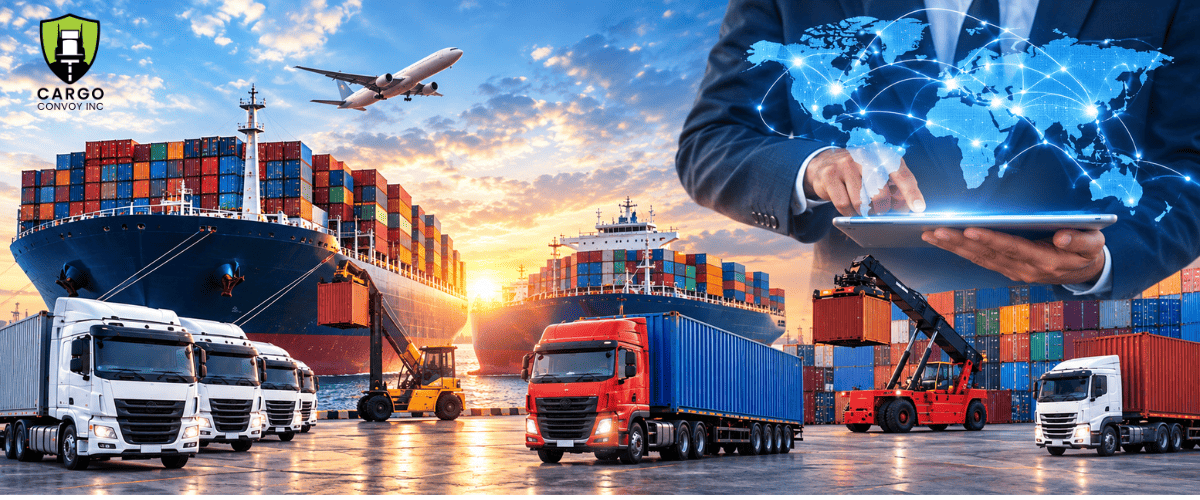
How Multimodal Freight Networks Improve Supply Chain Resilience
Global freight networks face constant pressure. Weather events can close routes. Delays at ports may keep cargo tied up for days. A capacity shortage may increase costs unexpectedly. Labor disputes and equipment issues may cause additional delays. Supply chain resilience is the ability to continue moving goods during these disruptions. Multimodal freight networks support this goal by using more than one transport mode. A shipment may use road transport for pickup, rail can be used for long-haul transportation, and a truck can complete the final delivery.
What Is Multimodal Transportation?
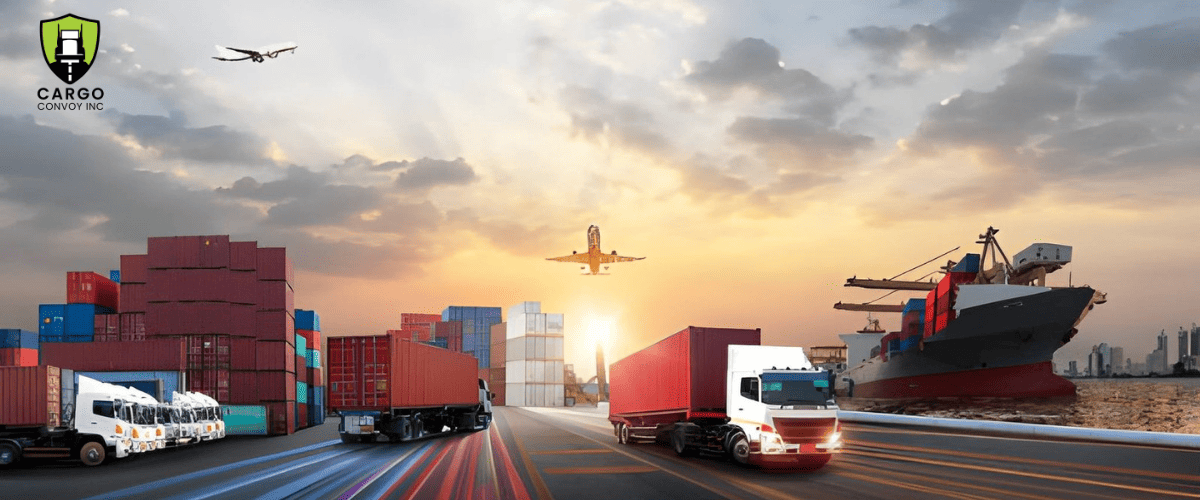
The multimodal transportation process refers to the movement of goods using two or more modes of transport. These modes may include road, rail, ocean, air, or inland waterways. The shipper does not manage every part of the journey as a separate activity. A logistics partner coordinates the main steps.
An example of such a shipment is:
- The cargo is loaded by a truck from the vendor.
- The shipment is transported via rail over a long distance.
- A local service provider will take care of delivering the package at its destination.
- The digital information will indicate the status of the shipment at each stage of the process.
This value is gained through coordination. Instructions should be given for each transfer. The shipment also needs accurate documents. The chosen partner must monitor timing across the full route.
Why Single-Route Plans Create More Risk
A single route can look simple. It can also create a major point of failure. A shipper that relies on one port may face serious delays when that port closes. If a firm relies on just one carrier, it will be affected in case of a lack of equipment. If a firm uses only long-haul trucks, it may face higher costs during a capacity shortage.
These risks can affect more than delivery dates. They can cause:
- Production stoppages
- Empty shelves
- Missed customer commitments
- Higher storage costs
- Emergency shipping charges
A multimodal network does not remove every risk. It gives the shipper more ways to manage that risk.
Alternate Modes Keep Freight Moving
A strong network can shift freight when one route becomes unreliable. A delayed rail service may require a road option. A congested port may require another gateway. Urgent cargo may need air transport for one part of the journey.
That is where multimodal networks support supply chain resilience. The best plan depends on the cargo. Precious cargoes may require speed and better tracking. Heavy cargoes may be handled by rail or sea transportation. Urgent cargo may have to take a faster route for some distance.
Shoppers need to know whether or not there are feasible options that the logistics company will be able to provide. An alternative path needs to have available capacity. This path also needs to cater to delivery and handling requirements.
Capacity Comes From More Than One Source
A freight broker network links the shipper to pre-approved carriers and logistics services. This is important during peak seasons, but especially when the usual carrier declines to take on a shipment.
A capable network can help with:
- Carrier selection
- Rate checks
- Equipment availability
- Route changes
- Pickup coordination
- Delivery updates
The buyer still needs clear accountability. A large network has little value if no one manages the shipment. The provider must monitor each handoff and communicate when the plan changes.
Coordinated Handoffs Reduce Delays
Every transfer creates a chance for error. Cargo may arrive late at a terminal. Documents may be missing. A truck may wait for loading instructions. A coordinated freight plan reduces these problems. Before the shipment arrives at the transfer point, the service provider can verify the next move.
Effective coordination involves:
- Pickup windows clearly defined
- Cargo information accurate
- Transfer schedules confirmed
- Ship documentation shared
- Exception contacts specified
This will ensure that small problems don’t turn into big ones.
Digital Visibility Supports Better Decisions
Transportation management solutions allow shippers to plan and track their shipments from one place. This technology can give information about how far a shipper is along his route. It can also alert the shipper of any missed milestones.
Visibility enables customers to ask themselves vital questions:
- Where is the cargo?
- Is the shipment on time?
- Has there been a handover?
- Does the next carrier have all the information he needs?
- Will the delivery date be changed?
A digital system cannot solve every freight problem. It can give the team more time to respond.
Fast Decisions Protect Freight Continuity
A robust network for freight transport needs prompt action. Delaying such action until after the cargo fails to be delivered on time limits the choices.
The teams may utilize live information to determine when to:
- Change the routing
- Book another carrier
- Switch the cargo mode of transport
- Reallocate labor in the warehouse
- Notify customers about the delay
This increases supply chain resilience since the team acts proactively on the issue before it affects other operations. The provider should also record what happened. This creates useful data for future planning. It can show which lanes fail most often. It can also show where a backup option would create the most value.
Cost Control Requires More Than the Lowest Rate
Multimodal planning can reduce cost when each mode serves the right purpose. Rail or ocean may support the long-distance leg. Roads may handle shorter movements. Air freight could carry urgent cargo that needs to be transferred immediately.
The cheapest mode of transportation is not necessarily the least expensive one. Buyers also need to consider:
- Delay expenses
- Storage charges
- Missed production time
- Customer penalties
- Emergency freight
- Cargo damage
A good plan balances price with service risk. It also reviews the total cost from pickup to final delivery.
Build the Plan Before a Disruption
A supply chain strategy should define how the business will respond when freight conditions change. It should not begin after a shipment faces a serious delay.
The plan can identify:
- Critical routes
- Approved backup carriers
- Preferred transport modes
- Cargo that needs priority handling
- Maximum acceptable delay
- Communication responsibilities
Buyers should review this plan with their logistics provider. They should also test it through a simple disruption exercise. This can reveal missing contacts. It can also show where the business depends too heavily on one route.
Measure Results After Launch
Logistics resilience improves when companies track performance over time. A provider should give more than basic delivery updates.
Useful measures include:
- On-time pickup rates
- On-time delivery rates
- Average delay response time
- Transfer point dwell time
- Mode change success
- Damage and claims frequency
- Cost changes during disruptions
These measures show whether the network can absorb pressure. They also help buyers compare providers using real performance data.
Conclusion
Multimodal freight transport networks assist companies in dealing with any delays, capacity limitations, and changes in delivery requirements. They increase flexibility along the freight supply chain. Therefore, multimodal planning plays an important role in supply chain resilience. With the help of Cargo Convoy, shippers can move their cargo using brokerage, drayage, intermodal, and 3PL services. Its team can help businesses review freight needs and build more reliable transportation plans. Contact Cargo Convoy to discuss a freight network built for continuity, visibility, and practical growth. It is a practical way to build supply chain resilience.
Frequently Asked Questions
Is multimodal transportation right for every shipment?
Not always. It works best for long-distance freight, cross-border shipments, port-linked cargo, and freight that moves through changing capacity conditions. A simple local shipment may not need more than one transport mode.
What do transportation management solutions help a shipper control?
They facilitate the booking, routing, and updating of carriers. These systems can also help in tracking shipments and monitoring exceptions. Some even offer reports and reviews as well. Buyers must ensure they are aware of the services that come along with these systems.
How can a small business improve logistics resilience?
Start with the most important lanes. Identify one backup carrier or route. Set clear response rules for delays. Use shipment tracking. A small business does not need a complex network. It needs a tested plan for its highest-risk movements.
When is a freight broker network useful?
It is useful when a shipper needs access to more carrier capacity. This could also work for seasonal demand, time-sensitive deliveries, difficult lanes, and changing requirements of equipment. The buyer should verify the vetting process, communication procedures, and claims support.
How can a company add multimodal planning to its supply chain strategy?
Start with shipment information. Look at the delivery time, nature of the goods being transported, risk involved with the route, and the current cost of transporting the cargo. Then decide on the transportation mode that reduces the risk or adds capacity. Begin implementation with one lane.
RECENT POST
-

How Carrier Relationship Ma...
19 October, 2026
-

Why Businesses Choose Profe...
13 October, 2026
-
AI Automation for Freight B...
05 October, 2026
-

How Supply Chain Agility He...
25 September, 2026
-

Agricultural Logistics Guid...
18 September, 2026