
How Supply Chain Agility Helps Businesses Respond to Market Changes
Market dynamics can shift from one order to another. There may be sudden spikes in demand. It is possible that there could be a missed delivery from the supplier. Factors such as port congestion and weather can change plans for delivery. Supply chain agility allows the company to recognize any changes early on. The goal is not constant change. It is a faster action based on reliable data and prepared options.
What Is Supply Chain Agility?
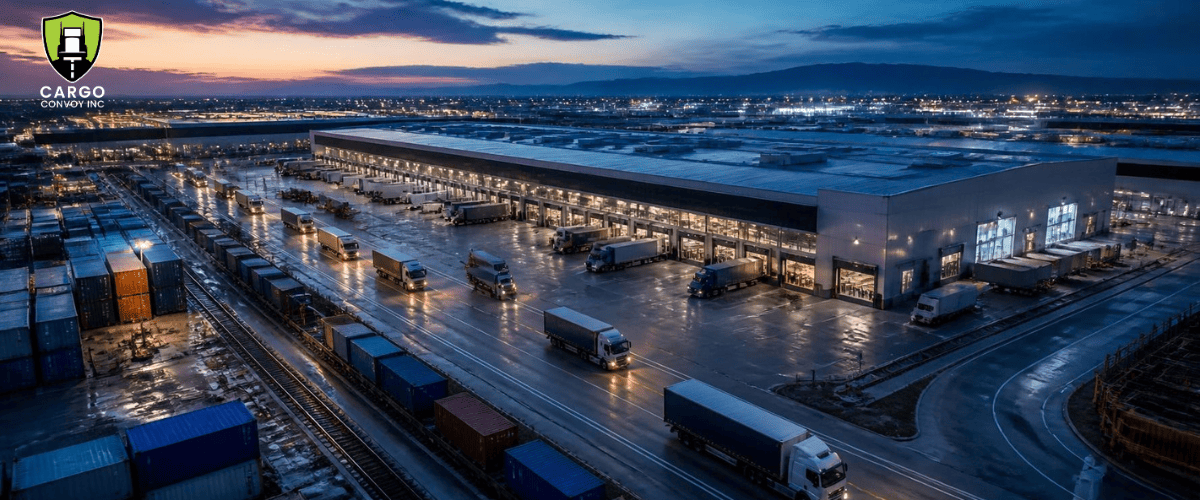
The question “what is supply chain agility?” starts with response speed. It is the ability to detect changes, measure their effect, and adapt the procurement, stock, or shipping process without compromising on control. An agile operation connects market signals with approved actions. It gives teams time to protect delivery commitments and margins. It also prevents every disruption from becoming an urgent meeting with no clear owner.
Why Faster Adaptation Matters
Market changes affect several operations at once. A spike in demand can reduce inventories in one location while leaving other locations with excess inventories. A late delivery can hamper manufacturing activities and order fulfillment.
peeding up adjustments is beneficial for businesses:
- Safeguard deadlines for deliveries that take new routes
- Avoid unnecessary stock shortages and excess inventory
- Manage costs for priority and rush shipping
- Inform customers of any delay situations
- Exploit demand situations before other companies do
Build Supply Chain Flexibility Before Disruption
Supply chain flexibility is making workable decisions before the situation changes. People cannot look for all options once there is a problem.
Preparation can include:
- Approving secondary suppliers for important products
- Reserving optional capacity for peak periods
- Defining substitute materials or packaging
- Using more than one warehouse or transport mode
- Setting cost limits for rerouting and expedited shipping
Each option needs an owner and an approval rule. This makes contingency plans usable.
Agile Supply Chain Strategies for Faster Response
The most useful agile supply chain strategies connect early signals with clear operational choices. They do not depend on one large technology project.
Read Demand Signals
Review orders and inventory movement often. Compare current activity with the forecast. A widening of the difference may result in stock replenishment even before the inventory runs out.
Share Plans With Suppliers
Share demand and capacity plans with critical suppliers. The early signals enable more time to make adjustments with regard to quantity and date.
Position Inventory by Risk
Keep safety stock near items with high lead times or items having a major effect on income. Analyze the slow moving stock separately in order to minimize excess stock.
Create Response Playbooks
Create action paths for supplier failure, port delay, and demand growth. Each playbook needs an owner, a deadline, and an escalation point.
Turn Real-Time Supply Chain Visibility Into Action
Real-time supply chain visibility has value only when it changes a decision. A tracking screen alone cannot prevent a late delivery. Useful visibility brings orders, inventory, and shipment status into one view. Alerts need to highlight exceptions. Predicted times of arrival allow companies to modify their reception process accordingly. Set action thresholds. A short delay may need monitoring. A longer delay may require a new route. Every serious alert needs an owner and a deadline.
Apply Agile Supply Chain Management
Agile supply chain management connects planning with execution. It replaces long approval chains with defined decision rights. Procurement and warehouse teams need the same facts. Short reviews help them compare demand and capacity. Preapproved limits let managers change a carrier or move inventory faster. Technology supports this model. People still interpret risk and select the response. Reviews reveal which playbooks worked and where approvals caused delays.
Build a Responsive Supply Chain
A responsive supply chain converts prepared decisions into actions. The logistics capacity has to correspond to the changing order volumes and delivery windows.
Execution can be improved in business through:
- Choosing the right means of transportation according to urgency and type of cargo
- Checking availability of space prior to the arrival of peak season
- Planning port transfer before arrival of the containers
- Giving exception notifications to the customer before time
Communication should be clear between the shipper, carrier, and the receiving destination. A route change has little value when the destination is not ready.
What Buyers Need From a Logistics Partner
A logistics provider needs more than a competitive rate. Buyers need to know how it handles changes after booking.
Ask each provider:
- Which regions and freight modes are supported?
- How will there be capacity at times of peak demand?
- Who will coordinate the delay and routing?
- How will information be shared about any shipment deviations?
- Is it possible to coordinate port and rail yard transfers?
- What compliance documents are reviewed?
Measure response time, rerouting time, and on-time delivery. This will demonstrate if the provider actually solves the problem or just reports it.
Conclusion
Supply chain agility is not simply about predictions; goods will have to be moved safely when changes take place. Cargo Convoy caters to the needs of businesses through Over The Road (OTR) transportation within the United States. Cargo Convoy also offers intermodal transport through rail, road, and maritime transport modes. Drayage offered by Cargo Convoy moves containers from ports and railway depots. This variety of services helps the buyer choose an option according to their timing and cargo requirements.
Frequently Asked Questions
1. What makes a supply chain agile?
Quick sensing and ready solutions make up agility. The team requires data, supplier communications, and transportation modes. Every disruption must have an owner and a plan.
2. How can a business improve its response speed?
The company can reduce the number of reviews, have backups in place, and formulate rerouting guidelines. There is a budgetary constraint that prevents exceptions from going through management every time.
3. What is the difference between agility and resilience?
Resilience enables the operation to survive and recover from disruption. Agility enables it to change its course depending on new conditions. An effective operation requires both.
4. Which metrics show whether adaptation is improving?
Effective metrics include response time, rerouting time, and forecasting accuracy. Customers can also measure stockout rate, premium freight costs, and on-time delivery
5. When does a business need a 3PL partner?
The role of a 3PL is that it is needed when internal teams lack carriers or ports. It also helps when multiple modes of transportation are needed.

RECENT POST
-

Why Businesses Choose Profe...
13 October, 2026
-

AI Automation for Freight B...
05 October, 2026
-

How Supply Chain Agility He...
25 September, 2026
-

Agricultural Logistics Guid...
18 September, 2026
-

How Multimodal Freight Netw...
14 September, 2026