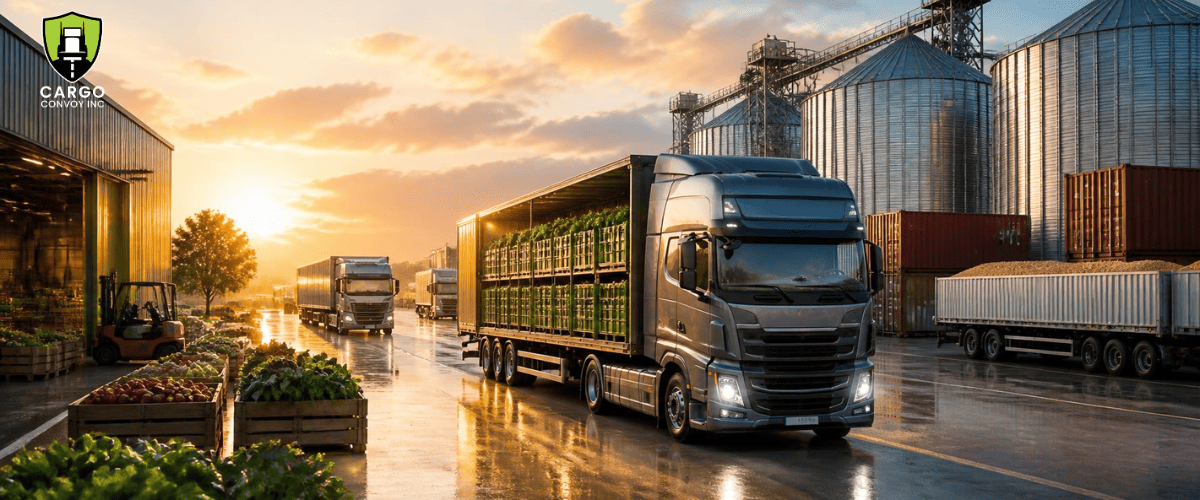
Agricultural Logistics Guide for Efficient Farm to Market Transportation
Moving crops from a field to a buyer takes more than a truck. The product should depart at the proper time. There should be the correct packaging equipment and procedures. Mismanagement could lead to spoilage and rejection of delivery. In this guide, you will learn about all the major phases in agricultural logistics. Starting from harvest release through first mile picking up to market delivery, everything will be discussed here. You will also learn about choosing the correct mode of transport and freight charges.
Quick Answer
Agricultural logistics controls how farm goods move to processors and markets. It connects harvest schedules with packing and storage. It also covers carrier selection. The goal is to deliver the right product in the required condition.
What the Process Covers
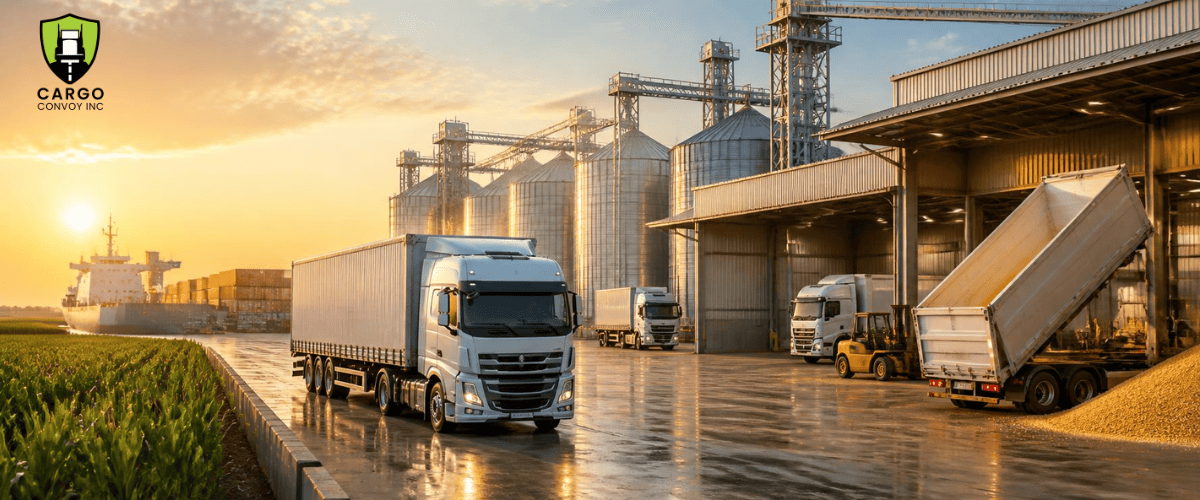
Agricultural logistics starts before pickup. The shipper confirms the harvest window and expected volume. Then the buyer shares delivery hours and product standards.
The process then controls four linked movements:
- Field to collection point
- Collection point to packhouse or processor
- Storage site to distribution center
- Distribution center to wholesale or retail market
The FarmFit insights hub connects reliable farm transport with stronger sourcing and dependable market delivery.
Farm to Market Stages
The agricultural supply chain needs a clear release rule. A load should not move until the next site can receive it.
Harvest Release
The farm records the crop source and harvest time. Staff remove damaged items before packing.
Grading and Packing
The packhouse grades the product against buyer specifications. Packaging protects the load. Labels connect each case with its lot.
First Mile Collection
First mile collection means the first trip to a packhouse or collection hub. Farms may combine volume here to lower the unit cost.
Storage and Dispatch
Staff checks the order and vehicle. They record the seal and dispatch time. This becomes possible with traceability in the agricultural supply chain because the movements will keep the same lot identification.
Market Delivery
The recipient inspects for quantity and quality. Losses and damages are documented via signed proof of delivery.
Choose the Right Mode
The best agricultural transportation mode depends on shelf life and volume. Distance also affects the choice.
- Road: Allows direct pick-up as well as short delivery periods.
- Rail: Suitable for large quantities of stable products.
- Sea: Allows high-volume export shipments.
- Air: Suits urgent cargo able to tolerate high rates.
Buyers should compare the full journey. A cheap line haul can become expensive after storage and transfer costs. Strong agricultural transportation planning also measures missed delivery risk.
Match Equipment to the Product
Good agricultural freight transportation protects each product against its main transit risk.
| Product | Suitable Equipment | Main Control |
|---|---|---|
| Fresh produce | Refrigerated or ventilated trailer | Temperature and airflow |
| Grain | Hopper or sealed bulk trailer | Moisture and contamination |
| Dairy | Insulated food-grade tanker | Sanitation and temperature |
| Packaged goods | Dry van or refrigerated trailer | Load stability and condition |
The buyer should check prior load restrictions. Earlier cargo can leave unsafe residue.The shipper should inspect trailer cleanliness and door seals. The checks help to guarantee
the safety of agricultural freight transportation before loading.
Protect Perishable Loads
Cold chain logistics means keeping a product within its required temperature range. A refrigerated trailer cannot remove field heat quickly. Farms may need to cool produce first.
A shipment plan should state:
- Product temperature at pickup
- Trailer setting
- Loading time limit
- Sensor placement
- Response to a temperature alert
- Records needed at delivery
A refrigerated trailer is often called a reefer. Its unit controls the air temperature. Blocked airflow can still create warm areas. Effective cold chain logistics depends on pallet spacing and clear air paths.
Connect Orders With Delivery
Food supply chain logistics links the buyer’s order with available farm volume. The order states the grade and pack size. It also sets the arrival date. The farm then plans harvest and packout. Packout means the usable quantity left after grading. If it falls short, then the shipper alerts the buyer before dispatch. Both sides have the opportunity to change the order and receive extra inventory. Strong food supply chain logistics align inventory with transport status. The buyer can see what is packed and loaded. The final update confirms receipt.
Build a Reliable Load Plan
A practical agricultural logistics plan gives each party a clear task. Purchasers can verify:
- Quantity of product and lot
- Pick-up and delivery time windows
- Packaging specifications
- Vehicle and farm accessibility
- Temperatures
- Freight insurance
- Delivery failure and refusal procedures
- Tracking and proof of delivery
The plan should include an alternate carrier during harvest peaks. Weather and volume changes can disrupt the first option.
What Changes the Freight Quote
Rates depend on distance and load volume. Equipment also matters. Refrigeration and several stops can add cost. The quote should show line haul and fuel charges. It should identify waiting and loading fees. The United States Department of Agriculture notes that reported open market rates may exclude terminal delivery and multiple stop charges.
Choose a Logistics Provider
The lowest quote may not provide the lowest delivered cost. Buyers should consider cargo risk and the delivery promise. An experienced agricultural logistics provider should explain how it handles seasonal capacity.
Check the provider for:
- Relevant product experience
- Suitable equipment
- Farm site procedures
- Tracking and temperature reports
- Insurance and claim steps
- Backup capacity
- Delivery performance
The agreement should name the person who manages exceptions. It should set a deadline for reporting delays and equipment issues.
Final Thoughts
Farm to market transport works best when harvest and delivery use the same timeline. The right vehicle protects the load. Businesses that are seeking dependable services in transportation may consider Cargo Convoy for assistance in the facilitation of reliable shipment services that are based on agricultural shipment needs.
Frequently Asked Questions
How much does it cost to transport farm products?
The cost depends on distance and volume. Equipment affects the price. Charges may be applied in case of refrigeration and several deliveries. Shoppers need to give loading and delivery instructions.
Does every fresh produce load need a refrigerated truck?
No, whether it is required or not depends on the produce type and the distance. Weather conditions and shoppers’ requirements are also to be considered.
What information does a carrier need for a quote?
The carrier needs the product and quantity. This would need the routing and delivery times as well. In addition to this, include the packaging, temperature, and all other restrictions pertaining to locations.
How can buyers reduce spoilage during transport?
Buyers should establish the standards for acceptance prior to pickup. The farms should dispose of the damaged products and refrigerate the perishable items. The carriers should protect the flow of air and report delays early on.
What should a buyer check before hiring a carrier?
The buyer must look into product knowledge and access to equipment. Look into the insurance coverage and the process of handling claims. Find out how they source additional capacity during the harvest season.
RECENT POST
-

AI Automation for Freight B...
05 October, 2026
-

How Supply Chain Agility He...
25 September, 2026
-
Agricultural Logistics Guid...
18 September, 2026
-

How Multimodal Freight Netw...
14 September, 2026
-

What Is a Freight Forwarder...
09 September, 2026