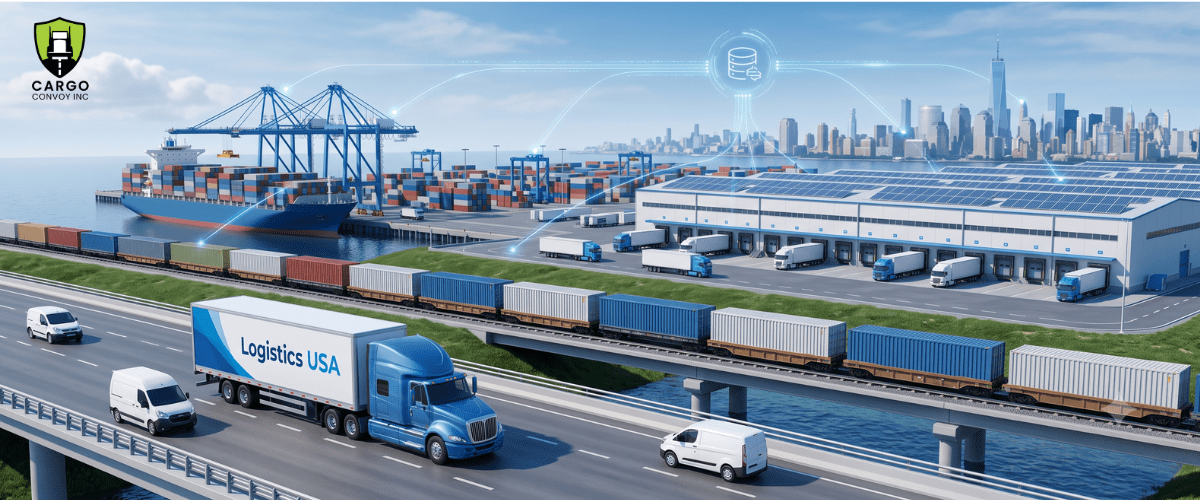
How Multimodal Transportation Reduces Shipping Costs
The cost of shipment increases when a company chooses only one means of transportation throughout the trip. Trucking is fast; however, it becomes costly during long-distance shipments. Railway and sea transportation can haul more cargo at a lower cost. Multimodal transportation combines these modes to create a cost-effective route.
Quick Overview
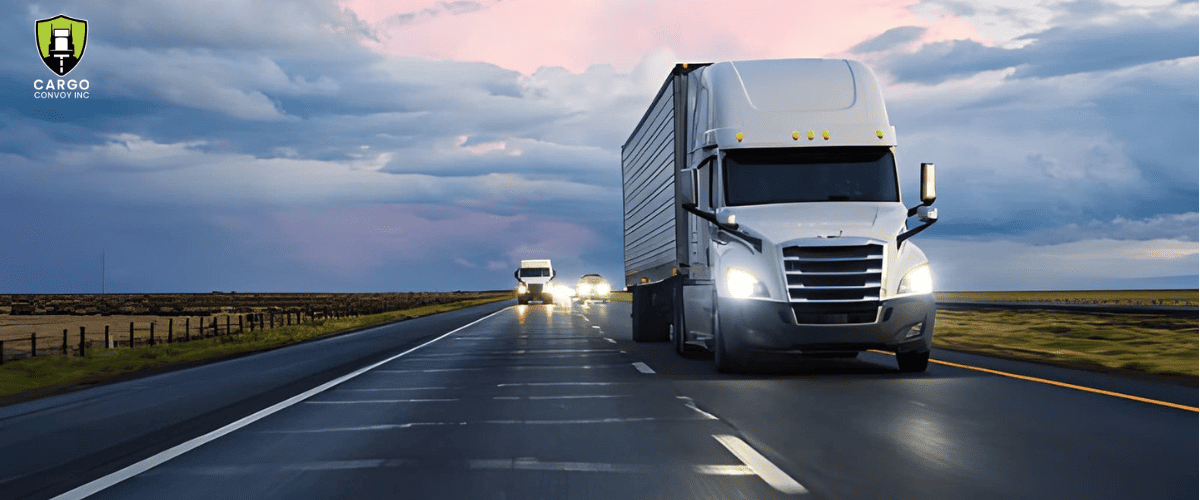
Multimodal transportation reduces shipping costs by using the right mode for each stage. The cargo could be transported from truck to rail terminal, shipped by rail, and returned to the truck for delivery. This cuts down on expensive mileage on the roads.
What Is Multimodal Transportation?
Multimodal transportation is the carriage of goods using at least two distinct modes of transport within the same contract. The modes can include road, rail, sea, and air transport. One provider manages the movement from pickup to delivery. Freight transportation involves the carriage of goods for commercial purposes from one place to another. A multimodal transport strategy considers various factors such as cost, speed, distance, and cargo requirements in choosing each mode.
How Does It Reduce Shipping Costs?
Uses Lower Cost Modes
Long-distance travel involves the use of fuels, salaries, tolls, and maintenance. Railroad and sea shipping transport large volumes at a lower cost per unit. Companies can use trucks for loading and unloading cargo while using rail and sea to cover long distances. Intermodal freight transport follows the same procedure. In most cases, cargo remains within one container during transportation by road, rail, and water. This limits handling and transfer costs.
Improves Load Capacity
Wasted space raises the cost of freight transportation. A partially loaded truck still results in expenses for fuel, labor, and the hauler’s fees. Effective planning allows companies to pool smaller loads and use proper equipment. Load pooling refers to the consolidation of smaller consignments into a larger shipment. This spreads expenses across more cargo and fewer shipments.
Reduces Fuel and Labour Costs
Fuel prices and driver shortages can raise road shipping rates. Rail and ocean carriers move more goods with fewer labour inputs per unit. Trucks still support pickup, terminal transfer, and final delivery. The savings come from using them where they add the most value.
Creates Better Route Options
Traffic, weather, port delays, and limited capacity can make one route expensive. A multimodal network lets planners change the mode, carrier, or transfer point. Modern logistics solutions support this process.
Cuts Handling Costs
Logistics solutions plan, control, and optimize the flow of materials. They evaluate alternative routes, costs, and lead times. The cost of additional handling is added to labour costs. The use of standard containers eliminates such a problem since materials move within the same container through different transport modes.
This is frequently practiced in intermodal freight transport. The container can be shifted from trucks to rail transport and then to ships without the need to unload the cargo. This not only reduces manual work but also handling charges.
Lowers Delay Charges
Planning errors result in detention, demurrage, and storage charges. Detention refers to the delayed return of equipment. Demurrage occurs when cargo stays in the terminal after the grace period. Multimodal transportation facilitates coordination between transport providers and transfer stations. Good planning results in fewer connection delays and lower terminal costs.
Simplifies Carrier Management
Handling multiple carriers may lead to duplicated paperwork, invoices, and a lack of accountability. The multimodal carrier manages the transportation process under one contract. This gives businesses a single point of contact, reducing billing discrepancies and improving traceability.
Where Intermodal Freight Transport Fits
Intermodal transport is appropriate when goods remain in the same container for road, rail, and water transport. It is most suitable for long-distance transportation, consistent shipment volumes, and bulky cargo. Multimodal transportation typically operates under a single contract, while intermodal shipments may use separate carrier contracts. Both can lower costs on suitable routes.
When Does It Save the Most?
The strongest savings often appear when:
- The shipment covers a long distance.
- The cargo is heavy or high in volume.
- The delivery schedule allows flexibility.
- Rail terminals or ports are located near the route.
- The business ships on the same lanes regularly.
- The goods fit standard containers.
The cost benefits are smaller on short-distance shipments. Direct trucking is usually more appropriate for nearby deliveries. Air freight is the better choice when speed is more important than cost.
How to Build a Cost-Effective Plan
Review the Full Cost
Compare pickup fees, transfer charges, fuel, storage, insurance, customs costs, and final delivery expenses. This provides a clear picture of the actual shipping cost.
Match the Mode to the Shipment
Rail and ocean freight work well for large, less urgent loads. Trucks should be used for shorter distances, while air cargo transportation is best suited for high-value or time-sensitive shipments.
Assess Transfer Points
Consider terminal capacity, operating hours, transfer schedules, and waiting times. Sometimes an inexpensive transportation mode becomes costly because of inefficient transfers.
Use Visibility Tools
Strong logistics solutions provide shipment tracking and status notifications. Better visibility enables your team to respond quickly to delays.
Measure Performance
Monitor transportation costs, transit times, and delivery accuracy. Regular route analysis helps identify opportunities to reduce fuel and transportation expenses.
Cost Risks to Control
- Inefficient transfers that cause delays.
- Scheduling issues that result in missed connections.
- Insufficient terminal space leading to storage charges.
- Incorrect documentation causing border clearance delays.
Effective logistics solutions help avoid these problems by optimizing routes, managing carriers, tracking shipments, and ensuring documentation is complete.
Conclusion
Multimodal transportation reduces shipping costs by assigning each stage of the journey to the transport mode that performs it most efficiently. Rail and sea freight lower costs for long-distance transportation, while trucks handle pickups and final deliveries. Cargo Convoy selects the most suitable transport combination based on route distance, cargo type, delivery timelines, and terminal availability. Businesses should evaluate all transportation costs before changing their shipping strategy.

RECENT POST
-

Why Businesses Choose Profe...
13 October, 2026
-

AI Automation for Freight B...
05 October, 2026
-

How Supply Chain Agility He...
25 September, 2026
-

Agricultural Logistics Guid...
18 September, 2026
-

How Multimodal Freight Netw...
14 September, 2026