
How Intermodal Drayage Services Can Reduce Freight Transportation Costs
The cost of freight might rise if the goods have to travel through various unrelated carriers. Port and rail terminal delays might lead to additional costs. Bad planning might end up with unnecessary miles being driven. Intermodal drayage services help businesses control these costs by connecting short truck moves with efficient long distance transport. Intermodal drayage services create the most value when each part of the shipment works as one planned movement. The truck handles the short first or final leg. Rail or another mode handles the longer distance. This results in reduced miles driven on the road and reduced unnecessary handling.
Key Takeaways
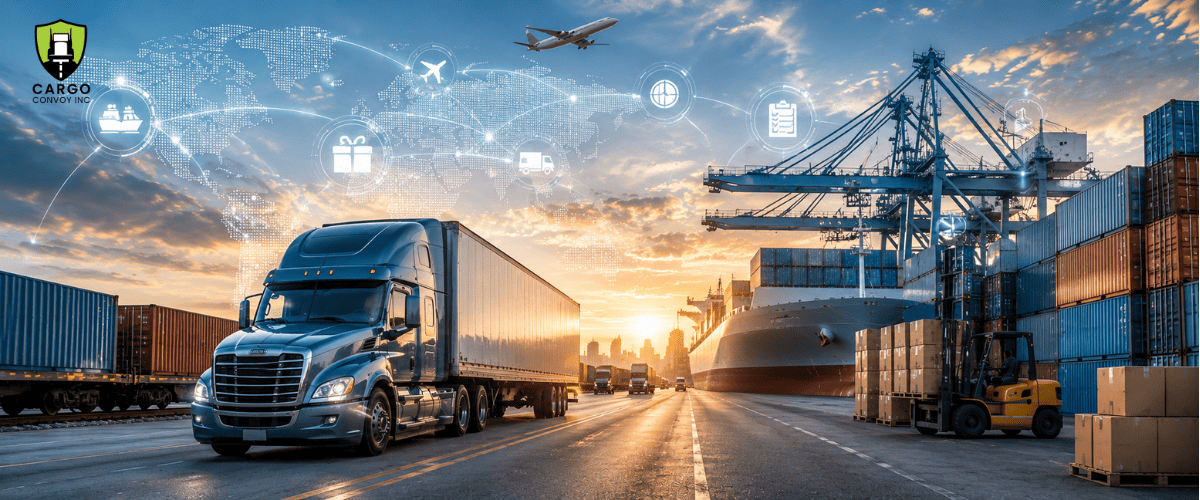
Intermodal drayage services may help in lowering shipping costs by reducing the use of long-haul trucks. They help cut idle time and eliminate unnecessary terminal costs. Improved coordination enables the shipper to better control the timing of the pickup and delivery processes.
The strongest savings usually come from five areas:
- Shorter truck travel
- Better use of lower cost long distance modes
- Fewer empty container moves
- Lower terminal delay costs
- Better shipment planning
How It Works
Intermodal transportation entails the movement of goods using two or more modes of transportation without changing the load in its carrying unit. The truck carries the container to the rail terminal, where rail is used for the long distance, and lastly another truck takes the load locally. Efficient transportation requires that the transfer points remain well coordinated. Good planning ensures that the containers do not idle in the terminals but keep on moving. This makes it easier for companies to choose routes where intermodal transportation is cost effective.
How Intermodal Drayage Services Reduce Freight Costs
Shorter Truck Miles
The intermodal trucking approach is aimed at concentrating the road transportation on the sections where the services provided by trucks are more beneficial. Tractors perform pickup and delivery without having to cover the whole long haul route. This can reduce fuel use and long haul driver costs. Efficient intermodal trucking also helps carriers plan local trips around ports and rail ramps. Better routing can cut empty travel. It can also help drivers complete more productive moves each day. Moreover, the value grows when the origin and destination sit close to suitable terminals.
Better Cost Control
Freight management gives businesses a clear view of each cost within a shipment. Teams can analyze terminal costs and costs of transport to select the appropriate route. They can also detect delays that lead to higher costs. Strong freight management synchronizes schedules between transport firms. This avoids missed pickups and storage. Digital freight management tools can also track exceptions before they turn into higher costs.
Lower Transport Spend
Freight transportation becomes more expensive when a truck carries a load across every mile of a long route. A mixed mode plan can shift the long haul portion to rail while keeping trucks for local movement. This makes freight transportation more flexible for suitable lanes. Moreover, it offers companies an additional choice in case roads become too expensive for capacity. However, its efficiency still varies with distance and accessibility to terminals
Fewer Extra Fees
Local drayage can help prevent costs that appear when containers remain at terminals for too long. Demurrage means a fee charged when a container stays at a terminal beyond the allowed free period. Detention refers to charges that can apply when equipment stays outside the terminal beyond the agreed time. The availability of reliable local drayage ensures quick pickup and return of the containers. Efficient scheduling is also helpful in minimizing the chances of missing the terminal window or chassis delay. Chassis refers to the trailer chassis that helps in carrying a shipping container on a truck.
Stronger Supply Planning
Supply chain management becomes effective when teams are able to see how all the transport steps impact the costs overall. The company can then coordinate its inventory and scheduling of deliveries based on realistic timetables of the trains and the terminals. This can reduce rushed shipments and last-minute changes. Improved supply chain management also ensures that the teams compare the costs of the routes using the total landed cost rather than considering just one carrier’s rates. The total landed cost refers to the total cost incurred in transporting the products to their destinations.
Connected Operations
Intermodal logistics links local truck movement with rail transportation to create one coordinated system. It eliminates handover hassles between service providers. It also assists in tracing the position of the container and subsequent steps.
The benefits that a company may derive from strong logistics include better schedule control as well as reduced idle equipment. Moreover, a company may also plan its repeat lanes using intermodal logistics.
Smarter Freight Flow
Freight logistics is concerned with the flow of freight through the larger transportation network. Good planning results in matching freight to the appropriate terminal, routing, and carrier. This reduces overall unnecessary mileage. It can also help in the effective use of containers. They can effectively plan reverse movements and cut down empty repositionings when possible. Strong freight logistics helps achieve reduced costs of operation without making any company rely on a single mode of transportation.
Practical Solutions
Logistics solutions help integrate the process of booking and tracking along with the coordination with the carriers. This gives the team better information before the issue turns into an expensive situation. It also reduces manual follow up across different providers. Effective logistics solutions should consider route planning, terminal visibility, and exceptions. Moreover, the right solutions can assist the organization in making decisions quickly in case of schedule changes.
When Savings Work
Intermodal drayage services do not reduce costs on every shipment. They work best when the long distance portion is large enough to offset the cost of local truck moves and terminal handling. Predictable shipment volumes can also improve planning. Businesses need to compare the complete door to door cost. This means checking the rail rate and local truck cost. This also involves terminal fees and possible delay charges. This gives a more realistic view than comparing only the long haul rate.
A business also needs to consider delivery speed. Some loads need the flexibility of direct trucking. Other loads have predictable schedules and enough distance to make a mixed transport model more cost effective. Choosing the right lanes is a major part of finding real savings.
Final Takeaway
Intermodal drayage services reduce costs by using each transport mode where it works best. The greatest savings come from shorter truck miles, better terminal coordination, and fewer avoidable fees. Cargo Convoy provides customized logistics solutions to organizations that want to optimize their intermodal and drayage services.

RECENT POST
-

Why Businesses Choose Profe...
13 October, 2026
-
AI Automation for Freight B...
05 October, 2026
-

How Supply Chain Agility He...
25 September, 2026
-

Agricultural Logistics Guid...
18 September, 2026
-

How Multimodal Freight Netw...
14 September, 2026