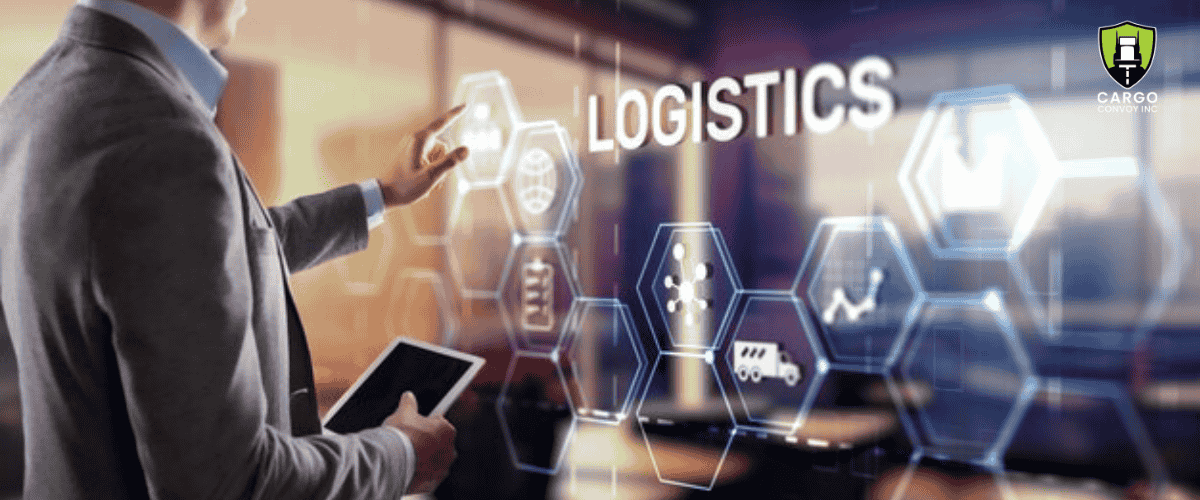
Integrated vs. Traditional Logistics Management: What’s the Difference?
In the last ten years, logistics has changed dynamically. Businesses that once managed their transport, warehousing, and inventory as separate activities are now facing growing pressure to move faster, stay transparent, and keep costs in check. This shift has pushed many companies to rethink their approach and explore more connected, technology-supported systems. The concept of Integrated Logistics Management has evolved and gained attention recently. While the name sounds technical, the idea behind it is simple: everything in the supply chain should work together rather than as separate departments. It is essential to analyse how logistics is utilised to function and why traditional models struggle to keep pace with the integrated model.
What Is Integrated Logistics Management?
Integrated logistics management is an absolute approach for management of the supply chain from raw material procurement to the final product delivery to the customer. This approach allows for splitting the operational silos and coordinating different functions to develop a cost-effective and more efficient goods flow from the source to the end customer. Key components like the use of technology, collaborative planning, and visibility in the supply chain can help in connecting disparate systems for real-time sharing of data and faster responses to transform.
This dynamic highly depends on timely and accurate information. When warehouses are updating inventory, the transportation sees it straight away. When consumer demand changes, the procurement team regulates its sourcing. Rather than waiting for reports or any form of manual quotes, each function processes in alignment. The integrated logistics in supply chain management includes the use of advanced tools for sharing data. This can involve unified dashboards, warehouse management systems, and transportation management systems that secure different functions in logistics. The ultimate idea is that logistics should not be a group of isolated tasks. It should operate more like a single, intelligent network.
Traditional Logistics: How It Used to Work
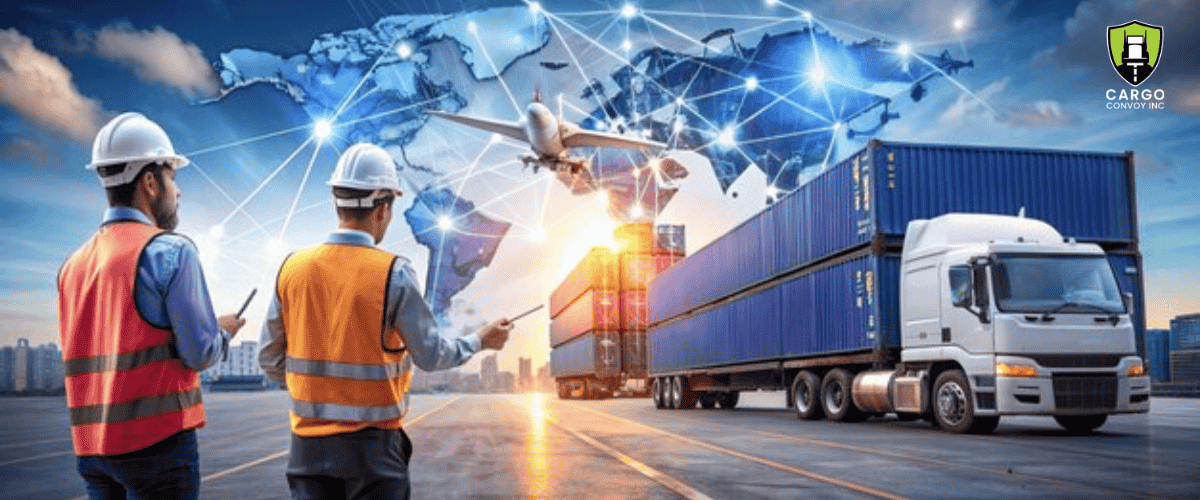
Before digital integration became possible, logistics followed a more conventional path. Each department handled its own responsibilities through frequent reliance on manual paperwork, phone calls, or spreadsheets. The transportation manager also had to plan routes without having knowledge of staff shortages on that day. The procurement team could place an order without checking the shipment schedule. The warehouse team could prepare goods without knowing last-minute changes from the customer.
This old dynamic develops issues like:
- Slow communication
- Limited visibility
- Chances of errors
- Reactive planning
- Difficult forecasting
The traditional logistics model had nothing bad, as it perfectly fit the requirements of that time. When goods volumes were easily manageable, supply chain ranges were shorter, and customer expectations were much lower than now. However, modern logistics after the rise of e-commerce requires a coordinated and agile approach.
Key Differences Between The Two
The contrast between the two systems becomes clear when you look at how decision-making happens. In a traditional system, every team has a small piece of the puzzle. They can only make decisions based on the information they personally have. The integrated logistics management system helps analyse the whole puzzle at once.
Here are a few core differences explained in a natural, human way:
Flow of Information:
Traditional logistics depends on slow, manual communication. Integrated logistics depends on shared digital systems that automatically update everyone.
Coordination Between Teams:
Earlier, teams worked in isolation. Now, an integrated approach brings all functions together, making operations smoother and reducing conflicts and delays.
Accuracy and Speed:
The integrated model has the potential to reduce issues earlier and faster than the traditional system, and it also presents a faster way to solve them.
Efficiency of Cost:
The framework operation leads to spending like extra transport runs, duplicate work, and excess strategies, while an integrated system can easily ignore these unwanted costs.
Experience of Customer:
Today, customers look for dynamic features like real-time monitoring and timely delivery. So, a well-connected logistics system may also help in delivering that which is not usually possible for a traditional system. Summarising, integrated logistics is a more collaborative and intelligent way to run the supply chain rather than just a modern version of traditional logistics.
Why Integrated Logistics Matters Today
This shift to integrated logistics is not only due to an accident, but it is driven by challenges like:
- Competition
- Rising cost of fuel and transportation
- Unpredictable demand
- Disruption in the global supply chain
- Fast delivery pressure
- Rise in customer expectations
The integrated logistics management allows organizations to stay ahead of these challenges. Businesses can plan better, all departments can share data, handle customer needs, and eliminate waste.
Organizations that employ the integrated logistics system can experience benefits like:
- Real-Time Visibility
- Lower Operating Costs
- Faster Decision-Making
- Better Customer Satisfaction
- Stronger Planning and Forecasting
- Improved Scalability
Why Logistics Companies Like Cargo Convoy Benefit From Integration
For modern logistics service providers, integration of an integrated logistics system has become important. It allows improved customer satisfaction, reduces costs, and enhances operational efficiency by streamlining processes and visibility.
A company like Cargo Convoy can get:
- Smooth coordination across warehousing, inventory, and transport
- Strong relations with clients who are looking for visibility
- High accuracy in operations
- Cost reduction through improved planning
- Reputation through transparency and reliability
- Rapid turnaround
However, integrated logistics helps Cargo Convoy present a professional and dependable service aligned with transforming business needs.
Conclusion
The difference between traditional and integrated logistics management is transparent: one operates in isolation, while the latter remains connected for efficient movement. The supply chain is evolving rapidly; the traditional model falls short in transparency, accuracy, and speed. Integrated logistics management is mainly supported by coordinated processes and real-time data, which allows organizations to adapt rapidly, deliver better experiences, and reduce costs. For a logistics provider like Cargo Convoy, integrated logistics is not only modernization but also a strategic move that fosters long-term success. In a business where reliability, visibility, and timing matter, integration allows the whole supply chain to move efficiently.

RECENT POST
-

Why Businesses Choose Profe...
13 October, 2026
-
AI Automation for Freight B...
05 October, 2026
-

How Supply Chain Agility He...
25 September, 2026
-

Agricultural Logistics Guid...
18 September, 2026
-

How Multimodal Freight Netw...
14 September, 2026