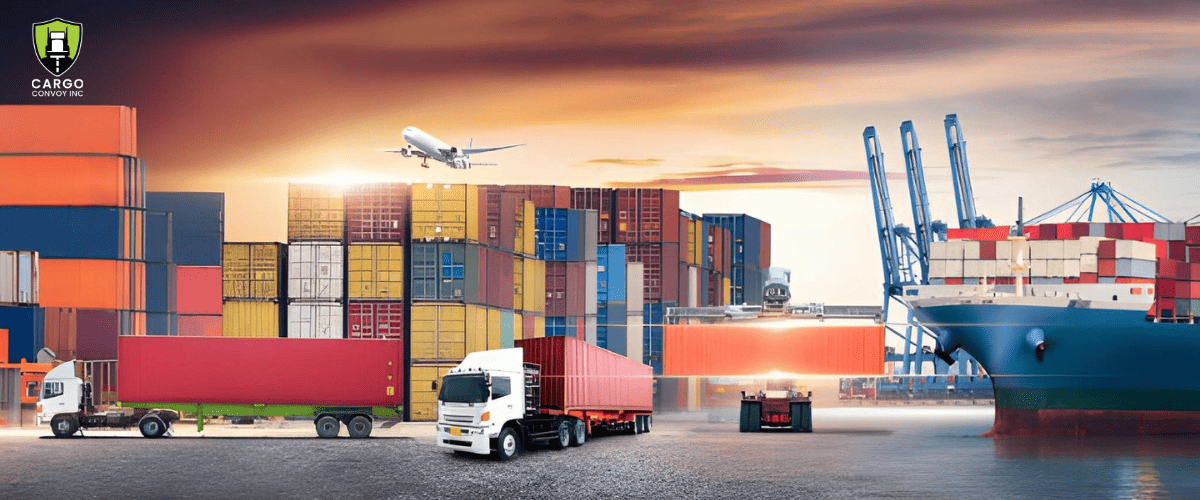
How Tariff Changes Impact Freight Shipping Costs in the USA
Tariff changes can affect much more than customs duties. They can influence the cost of transporting the goods. They can influence the shipping demand. Also, they can influence routes and delivery times. There will be an increase in costs of storing the cargo and clearing it at customs due to increased demand for shipping before the tariff deadline. This guide explains how supply chain tariff impact freight shipping costs in the USA. It also covers the main cost factors that importers should review.
Key Takeaways
- Tariffs raise the overall price level of imported products.
- Preparation for shipment will drive up shipping charges.
- The route chosen could also incur additional costs.
- Mistakes at customs will cause delays and fines.
- Proper cost management lowers the financial risk factor.
- Fleet planning allows for quicker response.
1. How Tariffs Increase Total Shipping Costs
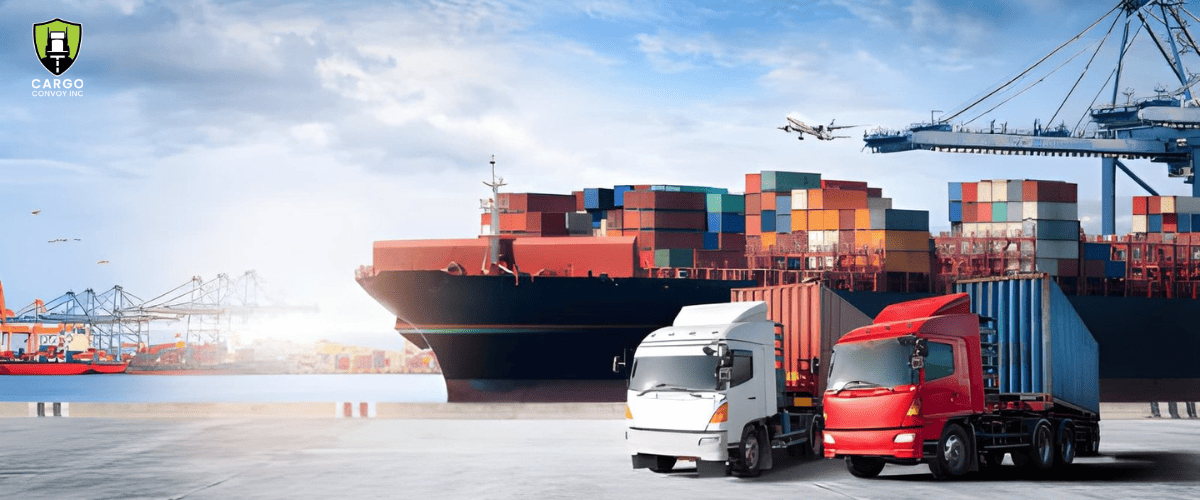
A tariff is a tax on imported goods. The importer usually pays this tax when the goods enter the United States. The final charge depends on the product type. It also depends on the product value and country of origin.
The supply chain tariff impact starts with the duty payment. Yet the total cost often goes beyond the tariff itself. Companies need to evaluate shipping charges and customs fees. Higher charges can be viable on storage and insurance as well.
The supply chain tariff impact can raise the landed cost of a product. Landed cost means the full cost of moving a product from the supplier to the final destination. It includes the product price and shipping charges. It may also include duties and warehouse costs.
The supply chain tariff impact can also change how businesses place orders. Some importers order more goods before a new tariff begins. This sudden rise in demand can reduce available carrier space.
The supply chain tariff impact may also affect product pricing. Businesses may absorb the increase. They may raise prices. They may also reduce order volumes to protect profit margins.
The supply chain tariff impact is often greater for businesses that depend on one supplier. These businesses have fewer options when duties increase. A wider supplier network can give them more control.
2. Effects on Freight Transportation
Tariff changes can quickly alter freight transportation demand. Many importers move shipments before a new tariff takes effect. This process is known as frontloading.
Frontloading can create a sudden rise in ocean bookings. Higher freight rates can cause greater demand for air and road transport. Carriers may hike spot prices due to reduced availability of space.
Changes in tariffs can also impact freight transportation routes. A company may move production to another country. It may also use a different port to lower duty exposure.
These changes can reduce one cost and create another. A new supplier may be farther from the final market. A different port may require more inland travel. Extra transfers can also increase handling costs.
The following considerations for freight transportation should be analyzed by businesses:
- Freight costs by ocean or air
- Trucking or rail charges
- Port costs
- Fuel surcharges
- Availability of containers
- Transit time
- Route reliability
A lower tariff cost doesn’t necessarily mean a lower freight cost. Businesses must evaluate the total cost of transporting freight before changing their routes.
3. Role of Freight Forwarding Services
The changing of tariffs increases the paperwork and planning involved. Freight forwarding services assist businesses with such processes.
The responsibility of a freight forwarder is to coordinate the transport of cargo. Services that are offered by the freight forwarder include booking the carrier and planning the shipping routes.
Good freight forwarding services will help the business:
- Compare shipping routes.
- Evaluate carriers.
- Book space before demand increases.
- Prepare shipping documents.
- Coordinate with customs brokers.
- Track cargo during transit.
- Plan alternate routes.
These services cannot remove a valid tariff. Yet they can reduce avoidable shipping costs. Bad paperwork can slow down the process of customs clearance. Incorrect shipment information may result in extra costs.
Good freight forwarding companies increase the visibility of shipments. Businesses know when their goods are supposed to arrive. They can also prepare for the arrival of the shipment. Poor paperwork can slow down the process of customs clearance. Moreover, incorrect shipment information may result in extra costs.
Good freight forwarding services increase the visibility of shipments. Businesses know when their goods are supposed to arrive. They can also prepare for the arrival of the shipment.
The appropriate freight forwarding services provider must be knowledgeable about the product and the transport route. They must also clarify the cost details before confirming the booking.
4. Using Logistics Cost Management
Fluctuations in tariffs may cause unpredictable budgets for transportation. Through logistics cost management, all costs involved in the shipment can be reviewed by the business.
The tariff is only one part of the final amount. Businesses should also calculate transport and storage charges. Customs fees and insurance should also be included.
The logistics cost management process must include assessment of:
- Value of the product
- The tariff rate
- Freight costs
- Port costs
- Customs costs
- Storage costs
- Insurance costs
- Delivery costs
- Cost of delay
Firms have to generate multiple cost scenarios. One cost scenario can reflect cost prior to a change in the tariff rate, while another one reflects the cost after that rate is applied.
Logistics cost management also assists businesses in differentiating between suppliers. In some cases, a supplier offering products at reduced prices may incur higher costs due to duties and delivery charges.
5. Building a Strong Logistics Management Plan
Changes in tariffs need prompt decision making. It is important to have a good logistics management plan to respond quickly.
These must be coordinated with purchasing and transportation. Customs clearance and warehousing procedures must also be included in the plan. Each department must know how the tariff modification will impact their tasks.
A practical logistics management plan must include the following:
- Imported item inventory
- Product class information
- Origin information of items
- Current tariff rates
- Supplier alternatives
- Mode of transport alternatives
- Routing alternatives
- Lead time for booking
- Inventory requirements
- Authorization procedure
Effective logistics management will result in better communication. The purchasing department can communicate their purchase orders with the shipping department, while the warehouse department will be ready for either early or late deliveries.
Moreover, better logistics management will help firms avoid hasty decisions. The departments can utilize the available alternative route that has been authorized.
6. Hidden Costs Businesses Should Watch
The direct tariff charge is easy to identify. Other costs may appear later in the shipping process.
Storage Charges
Early shipments may remain in storage for longer periods. This can increase warehouse costs and inventory carrying costs.
Demurrage and Detention
Demurrage applies when cargo stays at a port beyond the free period. Detention applies when a container is returned late.
Air Freight Upgrades
A delayed ocean shipment may force a business to use air freight. This can increase the shipping cost very quickly.
Supplier Change Costs
A new supplier may require product testing and quality checks. Packaging and production processes may also need changes.
Final Thoughts
Tariff changes can affect every stage of an imported shipment. The duty itself may be only the first cost. Higher demand can raise freight rates. Route changes can add transport expenses. Customs delays can create extra fees. Before making any changes, the organization needs to calculate the total landed costs. Furthermore, it should have some alternatives regarding supply and modes of transport. Partnering with experienced organizations like Cargo Convoy can be beneficial for businesses dealing with the constantly changing tariff legislation.

RECENT POST
-

Why Businesses Choose Profe...
13 October, 2026
-
AI Automation for Freight B...
05 October, 2026
-

How Supply Chain Agility He...
25 September, 2026
-

Agricultural Logistics Guid...
18 September, 2026
-

How Multimodal Freight Netw...
14 September, 2026